Why it matters. Housing affordability is a defining political and economic stress point in South Korea, and shifts in the rental market signal how ordinary Koreans are coping with a costly apartment sector that younger and lower-income renters increasingly cannot access.
Background. Korea's rental market runs on two systems: jeonse, a uniquely Korean arrangement where a tenant pays a large lump-sum deposit (often hundreds of thousands of dollars) instead of monthly rent and gets it back when the lease ends, and conventional monthly rent. Apartments (high-rise complexes) are the premium, most-traded housing type, while villas are the lower-cost fallback. A 2020 law gave tenants a one-time right to renew a lease for two extra years with rent increases capped at 5%, a protection now being used heavily as prices climb.
What to watch next. Watch whether rising apartment rents keep pushing demand into the villa segment and whether the renewal-right cap continues to absorb the price pressure for sitting tenants.
Rents for Seoul’s low-rise “villa” homes are climbing at their fastest pace in over a decade, official data showed on June 3, as renters priced out of the city’s apartment market increasingly turn to these cheaper units — and lock in lower rents by exercising their legal lease-renewal rights.
According to South Korea’s Ministry of Land, Infrastructure and Transport, Seoul recorded 49,679 villa lease transactions from January through April 2026, up 7.4% from the same period a year earlier and 13.4% higher than the preceding four months.
Why Renters Are Returning to Villas
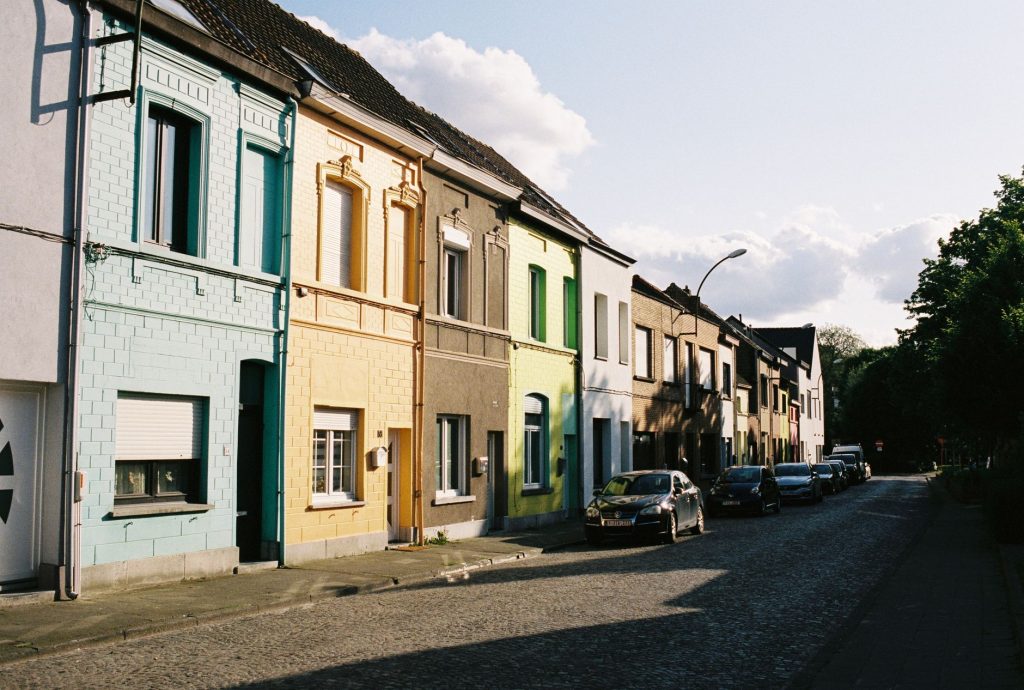
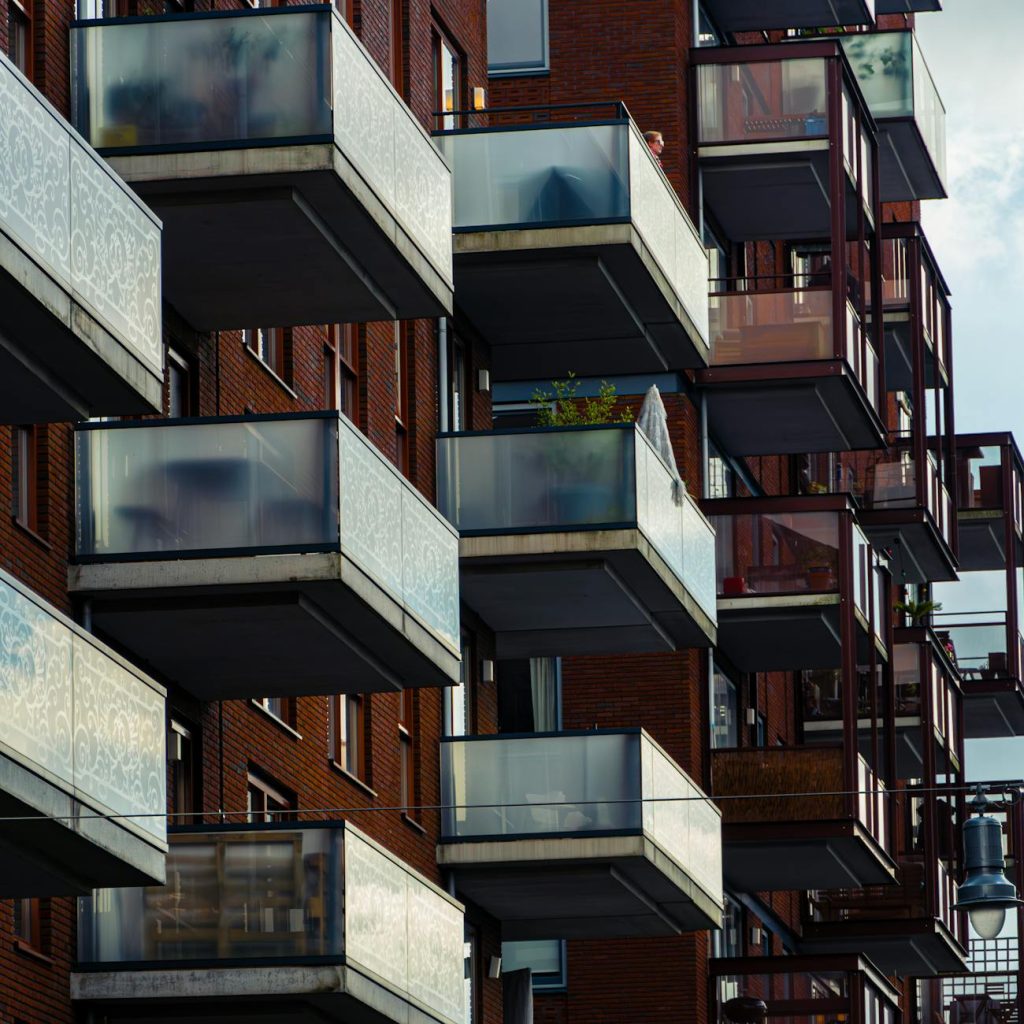
In Korean real estate, a “villa” (billa) is not a luxury home but a small, low-rise multi-unit building — typically a row house or a walk-up of a few stories. These units have long been the affordable alternative to high-rise apartment complexes, which dominate Korean housing and command far higher prices.
Villas fell out of favor after a wave of jeonse fraud scandals in recent years left many tenants unable to recover their deposits. But a tightening apartment market is pulling demand back. A late-2024 expansion of land-transaction permit zones shrank the supply of apartment leases, and a shortage of newly built apartments pushed apartment rents higher — sending some renters back toward villas.
The price data reflects the shift. Villa jeonse prices in Seoul rose 0.44% in April from the previous month, the steepest monthly gain in 12 years and seven months, per the Korea Real Estate Board. The cumulative rise for January–April reached 1.34%, the highest for that period in 15 years.
Monthly Rents Climb Fastest of All
Monthly rents are rising even faster than deposits. Cumulative monthly-rent growth hit 1.6% over the first four months of the year — the highest since the statistic was first published in July 2015. The average monthly rent edged up from 548,000 won (about $400) last year to 562,000 won this year.
Deposits are up too. The average jeonse deposit actually paid by villa tenants reached 240.98 million won (roughly $176,000) for January–April, an increase of 7.75 million won from a year earlier.
Tenants Lean on Their Legal Shield
As prices rise, more sitting tenants are choosing to stay put. The share of renewal contracts in Seoul’s villa market rose slightly to 27.25%. More striking, the share of tenants invoking their contract renewal request right jumped to 32%, up 7.2 percentage points from 24.8% a year earlier.
This right, introduced under Korea’s 2020 tenant-protection reforms, lets renters extend a lease for an additional two years while capping any rent increase at 5%. With villa rents climbing, more tenants are using that cap as a financial shield to secure two more years at a controlled cost.