Why it matters. Xenotransplantation could one day relieve the global shortage of donor organs, and this experiment pushes the field toward transplanting several animal organs at once rather than one at a time.
Background. The breakthrough was reported by South Korea's Hankyoreh, a major progressive daily, which frames it as part of an intensifying US–China rivalry in cutting-edge biotechnology. While the research itself is Chinese, Korean media closely track this race because organ shortages and biotech competitiveness are pressing issues across East Asia. The pig organs came from Clonorgan, a Chinese firm specializing in gene-edited animals for transplantation.
What to watch next. Expect more animal and brain-dead-donor trials before any attempt at multi-organ pig-to-human transplants in living patients.
A first in animal-to-human transplantation
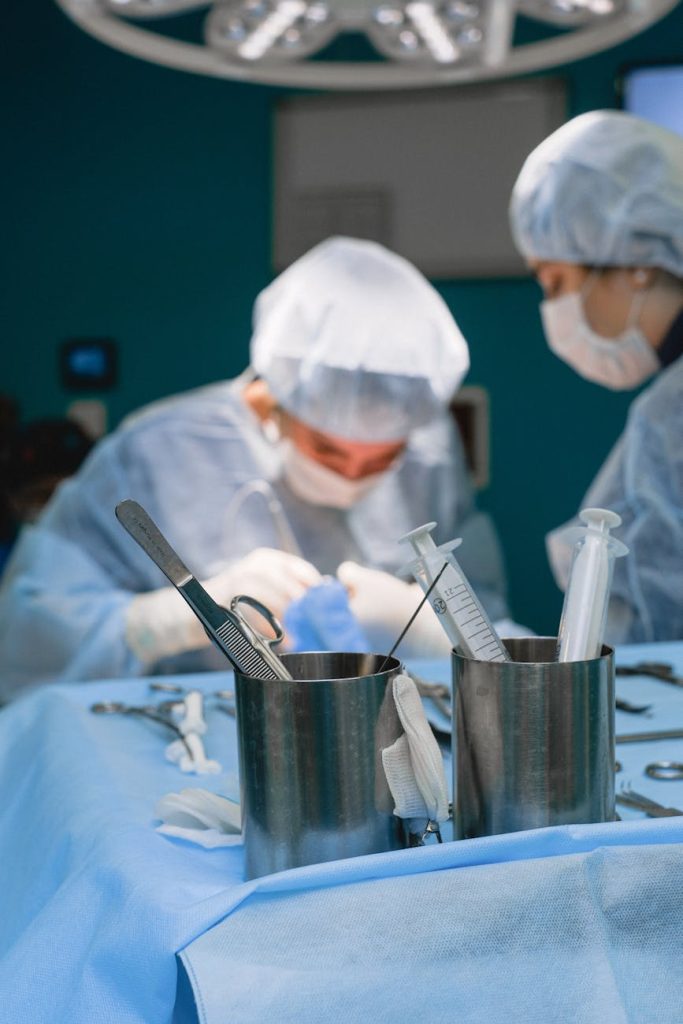
Researchers in China have for the first time transplanted multiple pig organs — a whole liver and two kidneys — into a single human recipient at the same time, reporting that the organs functioned normally for five days. The procedure, performed on a 53-year-old brain-dead man by a team at Guangxi Medical University, was published in the international journal Med and marks a new milestone in the fast-moving field of xenotransplantation.
Xenotransplantation — grafting animal organs into humans — is being pursued worldwide to ease a chronic shortage of donor organs. Pigs are the preferred source because their organs resemble human ones in size, function and physiology, lowering the risk of rejection, and because they can be bred in large numbers.
Gene-edited pigs and an early success
The Guangxi team used organs from a pig whose genome had been altered in six ways: three pig genes that trigger immune rejection were removed, and three human genes that help prevent blood clotting were added. The goal was to head off “hyperacute rejection,” in which the human immune system instantly attacks animal tissue as a foreign invader.
The early results were striking. The transplanted pig liver began secreting bile within 19 hours. In the patient, who had suffered from chronic kidney disease, waste markers such as creatinine and urea fell to normal levels — evidence that the pig kidneys were filtering blood effectively inside a human body.
Where it fell short
About 36 hours after surgery, signs of rejection appeared. Immune cells activated, pig cells in the liver and kidneys began to be replaced by human cells, and parts of the pig liver developed necrosis and blood clots. The researchers identified a rise in specific inflammation-linked immune cells and hope that drugs targeting those cells could curb rejection in future attempts.
“Transplanting multiple organs is far more complex, takes longer and carries a higher risk of complications than a single organ,” said Leonardo Riella of Massachusetts General Hospital in the United States, who led the first pig-kidney transplant into a living patient in 2024. He added that multi-organ transplants are unlikely to reach clinical use in the near future. The team plans more animal and brain-dead-donor experiments before any trials in living patients.
A US–China race for “firsts”
The two countries are trading milestones. The US carried out the world’s first pig-heart (2022) and pig-kidney (2024) transplants into living patients; China performed the first pig-liver transplant into a living patient and the first pig-lung transplant into a brain-dead recipient, both in 2025. A separate Chinese team at Kunming Medical University reported keeping a partial pig liver and a kidney working for 11 days in a brain-dead donor, though that work has not yet been published.
Kunming’s partial-liver approach hints at another use: “bridge therapy,” temporarily supporting liver function until a patient’s own organ regenerates or a human donor is found. According to Clonorgan, a Chinese xenotransplant company that supplied the pig organs, 12 such organ transplants into humans have been recorded worldwide so far — eight in the US and four in China. The longest survival is 271 days, held by a US pig-kidney recipient.