Why it matters. Samsung and SK Hynix are pillars of the global memory-chip supply chain, so speculative turbulence around them signals risk concentration that can ripple into Korea's entire market and, indirectly, global tech.
Background. South Korea has an unusually large and active retail investor base — known locally as 'gaetjuel' or ant investors — with a strong appetite for high-risk, short-term bets; the country was once the world's top market for futures and options. The KOSPI is the main benchmark index, and Samsung plus SK Hynix alone account for roughly half its value, so products built on just those two names can move the whole market. Turnover ratio measures trading volume against total listed shares, so a figure above 2,000% means shares flipped more than 20 times in one day.
What to watch next. Watch whether the Financial Supervisory Service moves from monitoring to concrete curbs — such as trading limits, advertising bans, or mandatory investor education — if volatility keeps climbing.
A Trading Frenzy Regulators Saw Coming
South Korea’s financial watchdog is weighing new measures after a wave of speculative day trading erupted around newly launched single-stock leverage ETFs tied to Samsung Electronics and SK Hynix, the country’s two dominant chipmakers. The 16 funds debuted on May 27 and, within their first three trading days, drove some of the most frantic turnover ever seen on the Seoul market.
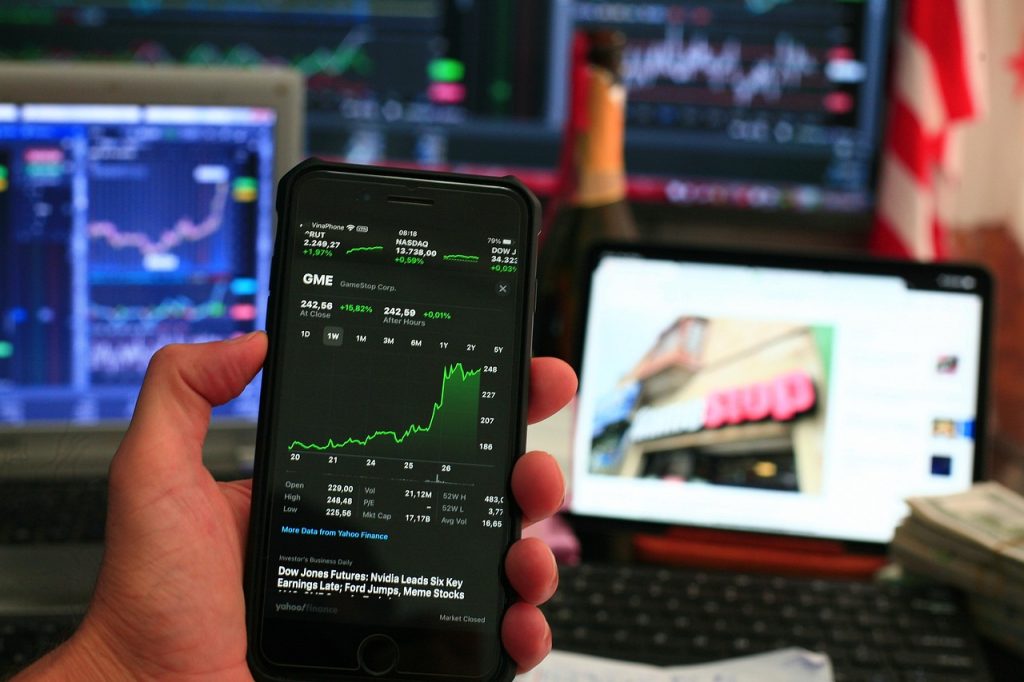
The numbers are striking. On May 28, one product — the SOL SK Hynix Futures Single-Stock Inverse 2X ETF — posted a daily turnover ratio of 2,014%, meaning its entire pool of listed shares changed hands more than 20 times in a single day. Nearly all 16 leverage ETFs ranked among the market’s 20 highest-turnover securities for all three days, many with turnover of 100–200%. For comparison, the underlying stocks themselves turned over less than 1% on June 1.
Why Leverage ETFs Are So Volatile
Leverage ETFs amplify daily price moves — typically by 2x — but a quirk known as the negative compounding effect erodes returns over time, so issuers explicitly recommend holding them for only three to five trading days. That design practically invites rapid buying and selling, and analysts warned of churn even before the launch. The reality has outpaced the warnings.
Lee Jun-seo, a business professor at Dongguk University, argued the products distort the broader market because they concentrate on just two stocks that together make up roughly half of Korea’s benchmark. “It’s the tail wagging the dog,” he said, suggesting regulators rolled out the funds to help lift the index but underestimated their market-wide impact. “Speed control is needed.”
Retail Investors at the Center
Individual investors are driving the surge. Often less informed than institutions, they are especially prone to the lure of quick trades. Between May 27 and 29, retail investors net-bought 3.3 trillion won (about $2.4 billion) of these ETFs and foreigners added 300 billion won, while institutions net-sold 3.7 trillion won — effectively selling into the retail buying.
Kim Dae-jong of Sejong University noted that South Korea has long ranked among the world’s most aggressive markets for futures and options trading, calling the current overheating “a predictable outcome.”
What Regulators Are Doing
The Financial Supervisory Service (FSS) says its top worry is ordinary investors — some using retirement savings or living expenses — suffering heavy losses if the market suddenly drops. A senior FSS official said the agency is policing brokerages for exaggerated advertising and promotions that encourage excessive trading, and is reviewing further steps should volatility widen. Professor Lee added that investor re-education may be needed to cool the market down.