Why it matters. South Korea is a top-15 global economy and a linchpin of the world's semiconductor supply chain, so how Seoul reads its own stock rally and growth prospects has knock-on effects for global tech and markets.
Background. The KOSPI is Korea's main stock index, comparable to the S&P 500. Koo Yun-cheol serves as Deputy Prime Minister and Finance Minister under President Lee Jae-myung, who took office in 2025. Korean markets have long traded at a discount to peers — the so-called 'Korea discount' tied to weak corporate governance and geopolitical risk — which is part of why officials are eager to frame rising valuations as earned rather than speculative.
What to watch next. The government's second-half economic growth strategy, due in June, should reveal a concrete growth forecast and the specifics of its AI and structural-reform agenda.
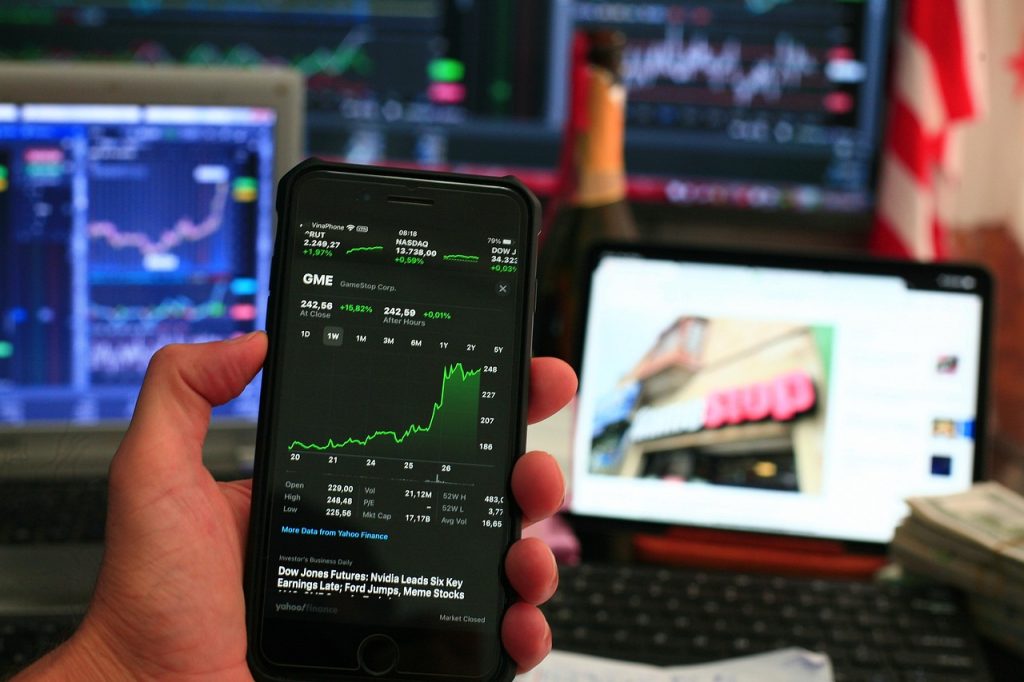
South Korea’s Deputy Prime Minister and Finance Minister Koo Yun-cheol on May 30 dismissed warnings of a stock-market bubble, arguing that such fears only surface when a country stops innovating, and pointing to the government’s planned structural-reform agenda as proof Korea is doing the opposite.
Speaking in an interview released on the popular YouTube finance channel Three Pro TV (Samproh TV), Koo addressed mounting concern over the recent surge in the KOSPI, South Korea’s benchmark stock index. “A bubble is what people worry about when no effort is being made to innovate,” he said, framing the rally as a verdict the market will reach based on the country’s reform record.
Betting on a ‘hyper-innovation’ economy
Koo said the government would lay out its case in a second-half economic growth strategy due in June, centered on structural reform and a rebound in Korea’s potential growth rate — the economy’s sustainable long-term speed limit. He described a push toward what he called a “hyper-innovation economy,” built on a sweeping transition to artificial intelligence, development of cutting-edge technology, and workforce training, alongside efforts to modernize deeper structural problems in Korean society.
“If that kind of substantive effort is applied, the market will judge our stock market accordingly,” he said — casting valuations as something the country can earn through policy rather than a hazard to be feared.
Growth and tax revenue outlook
Koo declined to name a specific figure for this year’s growth forecast, which the June strategy will contain, but hinted it could be revised upward. He noted that President Lee Jae-myung had referenced projections at a Cabinet meeting suggesting real GDP growth of 3 percent and nominal growth — the figure before adjusting for inflation — of as much as 10 percent. He cautioned, however, that the outlook hinges on how Middle East tensions play out and where the semiconductor cycle lands. Chips are South Korea’s single largest export and a major swing factor for the national economy.
On tax revenue, Koo said a recovery in the semiconductor business made it “crystal clear” that the government would collect a surplus beyond budgeted levels, though he said the scale could only be judged after interim corporate-tax prepayments are tallied in August. Any extra revenue, he argued, should be reinvested in future industries and used to tackle structural challenges such as economic polarization — the widening gap between Korea’s wealthier and poorer households.
A reform pitch to investors
Taken together, Koo’s remarks reframe the bubble debate as a question of national ambition. Rather than warning investors away from a hot market, the minister is effectively telling them that Korea intends to justify higher valuations by overhauling its industrial base and addressing long-standing social and economic imbalances — with the specifics promised for June.