Why it matters. As extreme summer heat intensifies worldwide, the plight of low-wage support workers in enclosed, poorly cooled workplaces is a growing labor and public-health issue far beyond Korea.
Background. Cafeteria and cleaning staff in Korean public schools are largely "education public service workers" (gyoyuk gongmujik) — non-teaching support staff who are often irregular or contract employees with weaker protections than tenured teachers. The KCTU is one of South Korea's two main labor federations and is known for assertive activism. Korean labor rules set heat-break guidelines, but enforcement at individual workplaces is frequently weak.
What to watch next. Whether regional education offices respond to the union's demands before peak summer heat arrives, and whether the new 2026 'heat watch' team forces enforcement of existing break rules.
Survey Reveals Widespread Heat Illness Among School Support Staff
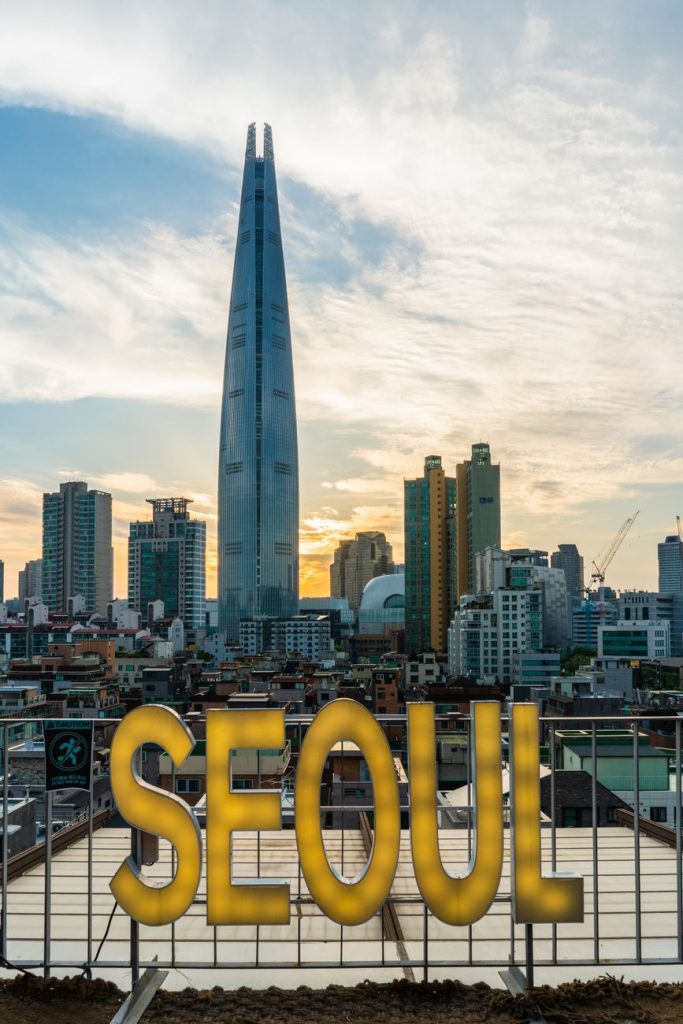
A South Korean education workers’ union announced on June 9 that roughly eight in ten cafeteria and cleaning workers in schools have experienced symptoms of heat-related illness while working through summer heat. The findings were released at a press conference outside the Seoul Metropolitan Office of Education in Yongsan, central Seoul, where the union also launched a 2026 “heat watch” monitoring team.
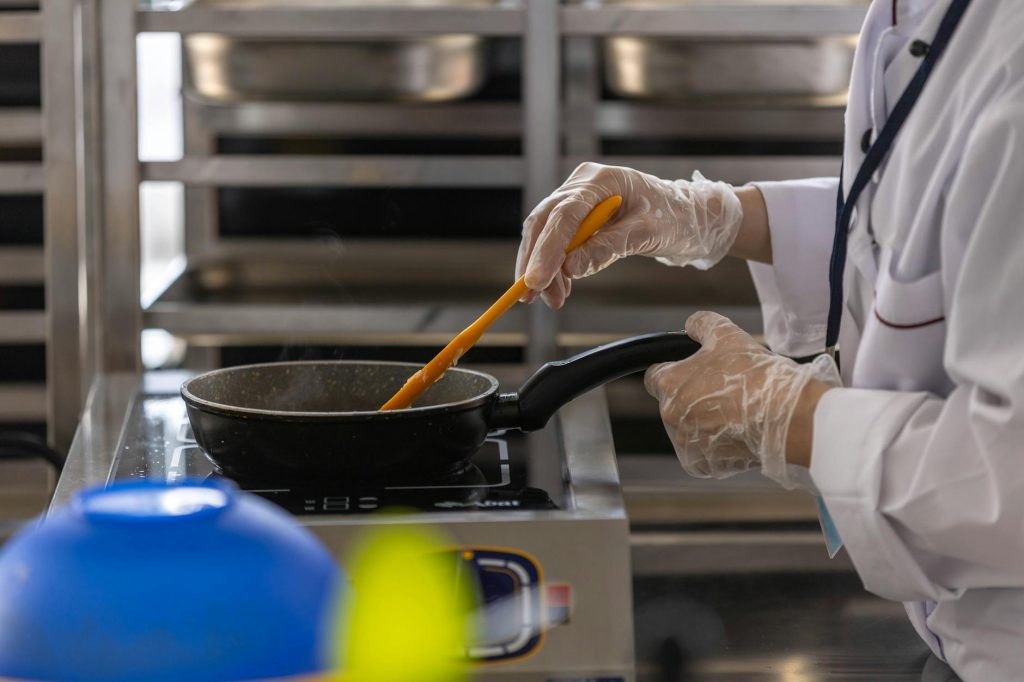
The survey, conducted by the Education Public Service Workers’ Union under the Korean Public Service and Transport Workers’ Union (a branch of the militant Korean Confederation of Trade Unions, or KCTU), polled 585 cleaning and cafeteria workers. It found that 87.4% of kitchen staff and 65.9% of cleaning staff reported health problems from working in sweltering conditions.
Mandated Rest Breaks Often Ignored
Perhaps most striking, 61.5% of respondents said they work without any rest breaks. The union notes this puts them outside Ministry of Employment and Labor guidelines, which call for a 20-minute break within every two hours of work when the perceived temperature reaches 33°C (about 91°F) or higher.
On paper, rest facilities appear common: 94.5% of workplaces have them. But only about 35% qualify as genuinely usable spaces — close to the worksite, properly cooled and ventilated, with drinking water available. The union argued that for many workers, the right to rest exists only in the text of a guideline, not in practice.
Workers Demand Equal Protection
The union called on regional and metropolitan education offices to make heat-related rest breaks mandatory at schools, to provide proper break rooms, and to supply protective gear such as waterproof aprons and sanitary clothing. Their core demand, organizers said, is simply to be “protected and to work as equals.”
Won Yong-sun, head of the cleaning division, wiped away tears as she described conditions on the ground. “When we get dizzy from working in the heat, we foolishly grit our teeth and endure it, or cool off in a corner of the restroom because there’s nowhere to rest,” she said. She noted that hallways and restrooms — spaces others merely pass through — are the primary worksites for cleaners, and demanded the immediate provision of “cold ice water, mobile cooling units, and personal cooling equipment.”
South Korean summers have grown markedly hotter in recent years, with prolonged heat waves straining outdoor and poorly ventilated workplaces. School kitchens, where staff cook over hot equipment with limited cooling, are among the most heat-exposed environments in the public sector.