Why it matters. South Korea's tourism rebound is now a measurable force in global luxury retail, and how its two retail giants compete for foreign wallets signals where Asian shopping tourism is heading.
Background. Lotte and Shinsegae are decades-old chaebol-linked conglomerates whose department stores anchor Korean retail. Myeongdong, in central Seoul, was hit hard when Chinese tour groups vanished during the pandemic and a 2017 diplomatic dispute, so its recovery is closely watched. A weaker Korean won currently makes luxury goods cheaper for foreign buyers than in many home markets.
What to watch next. Expect both chains to keep escalating loyalty perks, luxury renovations and tourist-focused experiences as they chase the same growing pool of foreign shoppers.
Foreign Shoppers Reshape Seoul’s Retail Crown
South Korea’s two retail giants, Lotte and Shinsegae, are locked in an intensifying battle to dominate Myeongdong, Seoul’s premier shopping district, as a surge of foreign tourists drives record spending at their flagship department stores. At both companies’ main branches, foreign customers’ share of sales roughly doubled from about 15% in 2024 to around 30% in the first five months of 2025.
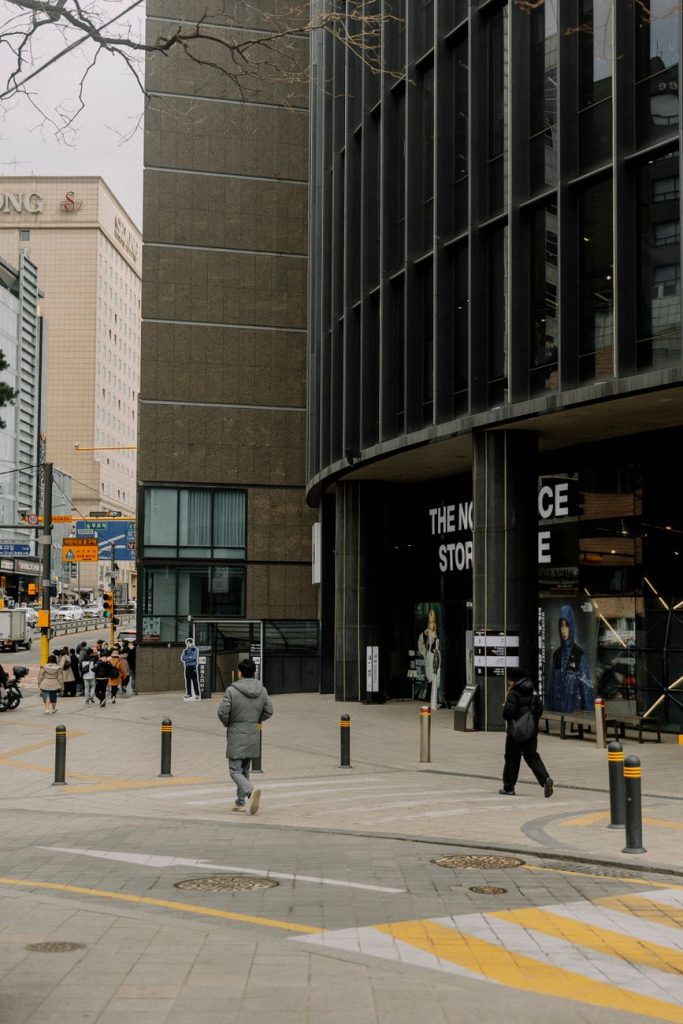
Myeongdong is a dense downtown shopping quarter in central Seoul long known to visitors as Korea’s “shopping mecca,” packed with cosmetics shops, luxury boutiques and street food. Lotte and Shinsegae are the country’s dominant department-store operators, and each runs a landmark flagship there, making the neighborhood a natural arena for their rivalry.
Several forces are converging. Tourist arrivals are climbing, demand for Korean products is strong, and a weaker won makes buying luxury goods in Korea relatively cheaper for foreigners. Some 4.76 million tourists visited in the first quarter of 2025, up 23% year on year and a record for any first quarter. In April alone, foreign visitors spent 1.33 trillion won (roughly $970 million) in the country.
Shinsegae Bets on Spectacle and Luxury
Shinsegae said foreign payments at its main store jumped 98% in the first quarter from a year earlier, far outpacing the 17% rise in foreign card spending across the surrounding Gwanghwamun and Myeongdong districts. After renovating its luxury hall, “The Reserve” which gathers brands such as Hermès, Louis Vuitton and Chanel under one roof, first-quarter luxury sales climbed about 90%.
Experience-driven content has also drawn crowds. The giant media facade at the store’s entrance, known as Shinsegae Square, screens K-pop artist videos and hosts a popular Christmas lighting ceremony that has become a must-visit stop for tourists. A company official credited the displays with helping revive the area after the pandemic and pledged “differentiated shopping experiences” ahead.
Lotte Courts Tourists With Loyalty Perks
Lotte, the longtime market leader, is seeing a comparable boom at its Sogong-dong flagship, where the foreign share of sales rose from 23% in the first quarter to 30% by May. During its “2026 Lotte Town Myeongdong Festival” (May 15-25), foreign sales at the main store soared 150% year on year.
Lotte is leaning on a dedicated “Lotte Tourist Membership” launched in December. Issued to foreign shoppers at the flagship, the card offers a 5% discount at the department store, 10% off at Lotte Duty Free and Seven-Eleven, and 7% off at Lotte Mart. It surpassed 110,000 issued cards within six months.
The retailer is also chasing the experience trend, citing strong tourist response to an immersive “escape room” attraction launched in May. A Lotte official called its Myeongdong flagship “the heart of K-culture, where shopping, fashion and tourism meet.”