Why it matters. South Korea is famous for dense high-rise apartment living that often isolates neighbors, so a complex that rebuilt genuine community offers a counter-model with global relevance amid rising urban loneliness and low birth rates.
Background. Most South Koreans live in standardized apartment complexes (called 'apateu') built by large developers, where residents are buyers rather than planners. A cooperative apartment, where residents organize before construction and govern themselves, is rare. The 2023 'day of pause' referenced in the story stemmed from a national reckoning over teacher mistreatment after several teachers died by suicide, citing harassment by parents.
What to watch next. Whether South Korea's government and developers treat WeStay Byeollae as a replicable template for community-driven housing or as a one-off experiment.
In Byeollae-dong, Namyangju — a satellite city east of Seoul — a 491-household apartment complex called WeStay Byeollae has spent the years since its 2020 opening turning a conventional high-rise into a tight-knit village, complete with 20 resident clubs, communal childcare, and lawn-side weddings. A new book documenting the experiment was written by 47 authors, 44 of them residents — nearly a tenth of the entire complex.
An Apartment That Behaves Like a Village
In most South Korean apartment complexes, residents arrive only at the end of construction, as targets of marketing. WeStay Byeollae was built differently. It is the country’s first cooperative apartment, meaning future residents formed a co-op and took part as active stakeholders from the development stage onward. The result, residents insist, is not a building full of unusually nice people but the product of deliberate effort to become neighbors.
That effort shows up in everyday scenes. In autumn 2020, during the COVID-19 pandemic, a wedding was held on the complex’s lawn. Neighbors served as guests and witnesses, cheering from their balconies. A residents’ brewing club shared homemade makgeolli (a traditional Korean rice wine) with the guests, neighborhood children sang, and other residents handled parking and cleanup.
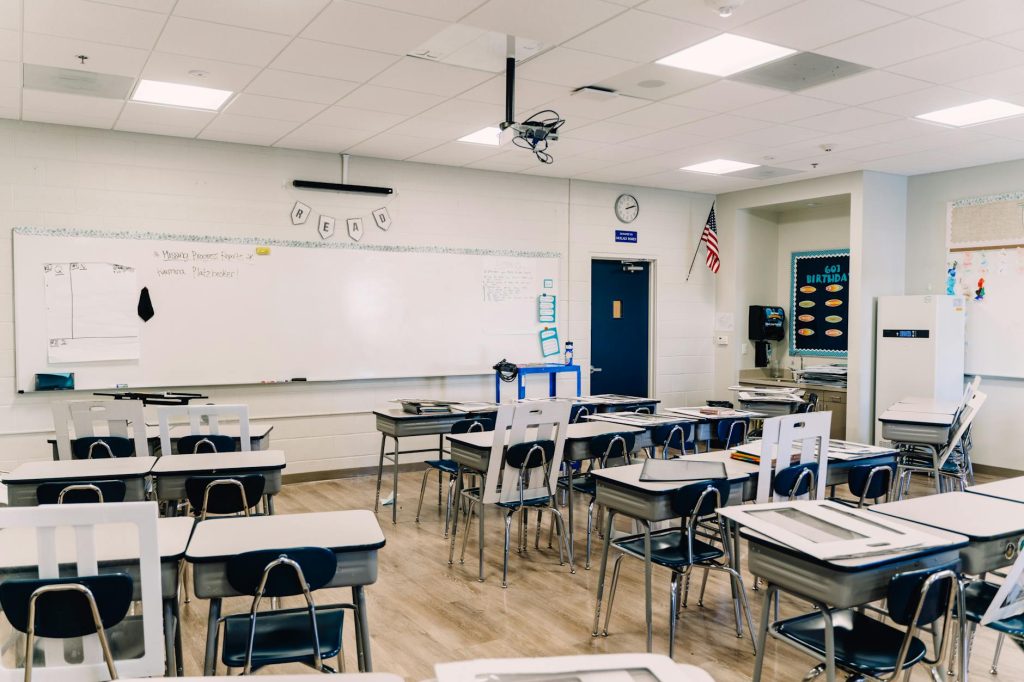
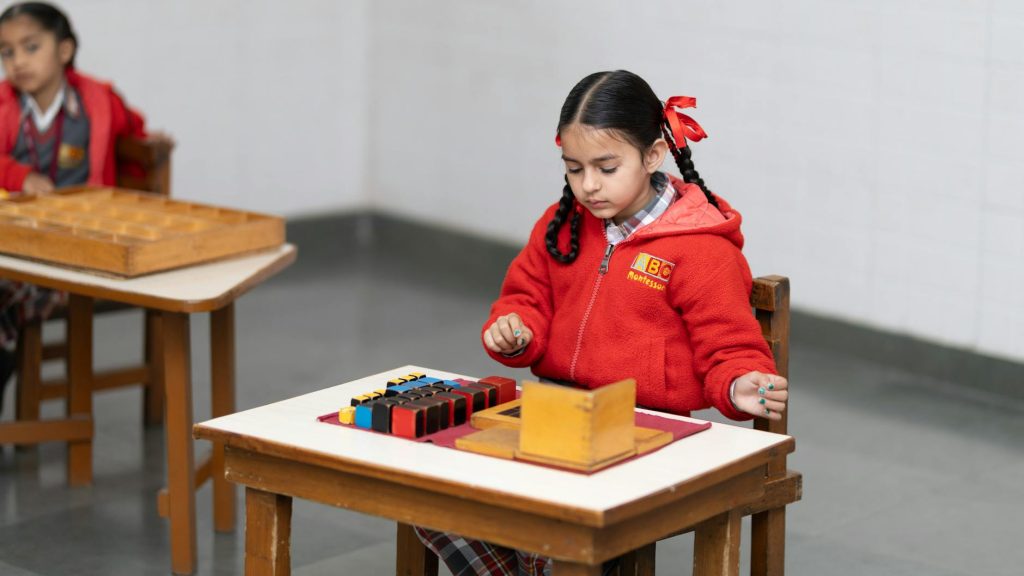
When South Korea declared a sudden “day of pause” for public education in September 2023 — amid a national debate over teachers’ rights following a wave of teacher suicides linked to parental harassment — the complex ran a one-day alternative school for 28 elementary students. Residents organized reading, board games, drawing, dance, and a lunch cooked in the shared kitchen, letting dual-income parents go to work without worry.
Clubs, Co-Parenting, and a Famous Dads’ Group
Daily life here runs on groups organized by age and interest. Parents co-raise children born the same year, residents teach one another languages and instruments, and a communal kitchen prepares dinner for the children each evening. One first-time parent simply called the place “heaven.”
The complex’s best-known club is a fathers’ parenting group whose representative — an ordinary office worker — now gives parenting lectures at civic organizations and a city childcare center. Its monthly “Dads’ Parenting Day” has drawn nearly 400 outside participants and won two municipal awards.
Residents describe themselves in unusual terms — one introduces himself as someone “doing 13 village activities.” A mother who battled postpartum depression said that within a year, “the whole village raised me as a mother.”
Conflict, and How It Is Handled
Community life is not without friction. Sharing walls, ceilings, and floors guarantees disputes, and there is no outside authority to resolve them. Parking violations, for instance, are met not with penalties but with a polite paper notice signed “from your neighbor who lives alongside you.” When heavy snow fell on a staff-free weekend, the resident building manager invited everyone out; some 40 people cleared the grounds in under an hour while children built snowmen. Communal snow-clearing has since become a winter tradition.
The complex has won a string of government honors, including a top prize from the Office for Government Policy Coordination’s “living SOC” program and an environment minister’s award for carbon neutrality. Roughly 300 residents are active across its 20 clubs — a deliberate housing and community experiment rather than a multi-billion-won development.