Why it matters. How a country teaches its modern history shapes national identity and political memory, and in South Korea curriculum changes often track shifts between progressive and conservative governments.
Background. South Korea's national curriculum is set by the National Education Commission, a body designed to be insulated from partisan swings. The current "2022 revised curriculum" was crafted under conservative President Yoon Suk-yeol, while the new push comes from progressive President Lee Jae-myung, whose "democratic citizenship education" agenda emphasizes civic engagement. Debates over history teaching in Korea are politically charged because they touch on contested eras like the Japanese colonial period, the Korean War, and the country's later authoritarian decades.
What to watch next. The commission has deferred a decision and will continue deliberating, so whether the rebalancing survives — and in what form — remains open.
What’s Being Proposed
South Korea’s Education Ministry is pushing to raise the share of modern and contemporary history in middle-school history textbooks from 20% to at least 30%, but a national review board failed to approve the change at a June 11 meeting amid pushback from teachers. The plan is part of President Lee Jae-myung’s flagship agenda to strengthen “democratic citizenship education,” yet its fate remains uncertain.
The National Education Commission (NEC) — an independent body that sets South Korea’s national curriculum — met at the Government Complex in central Seoul to weigh the ministry’s request but reached no conclusion, opting to keep debating after members split for and against.
The ministry first floated the idea in February as part of a broader “plan to revitalize school history education.” Under the current curriculum, middle-school Korean history devotes about 80% of class time to pre-modern eras (ancient times through the Joseon dynasty) and just 20% to the modern and contemporary period (from the 1876 opening of ports to the present). High-school Korean history is weighted the opposite way: roughly 35% pre-modern, 65% modern.
The Case For Change
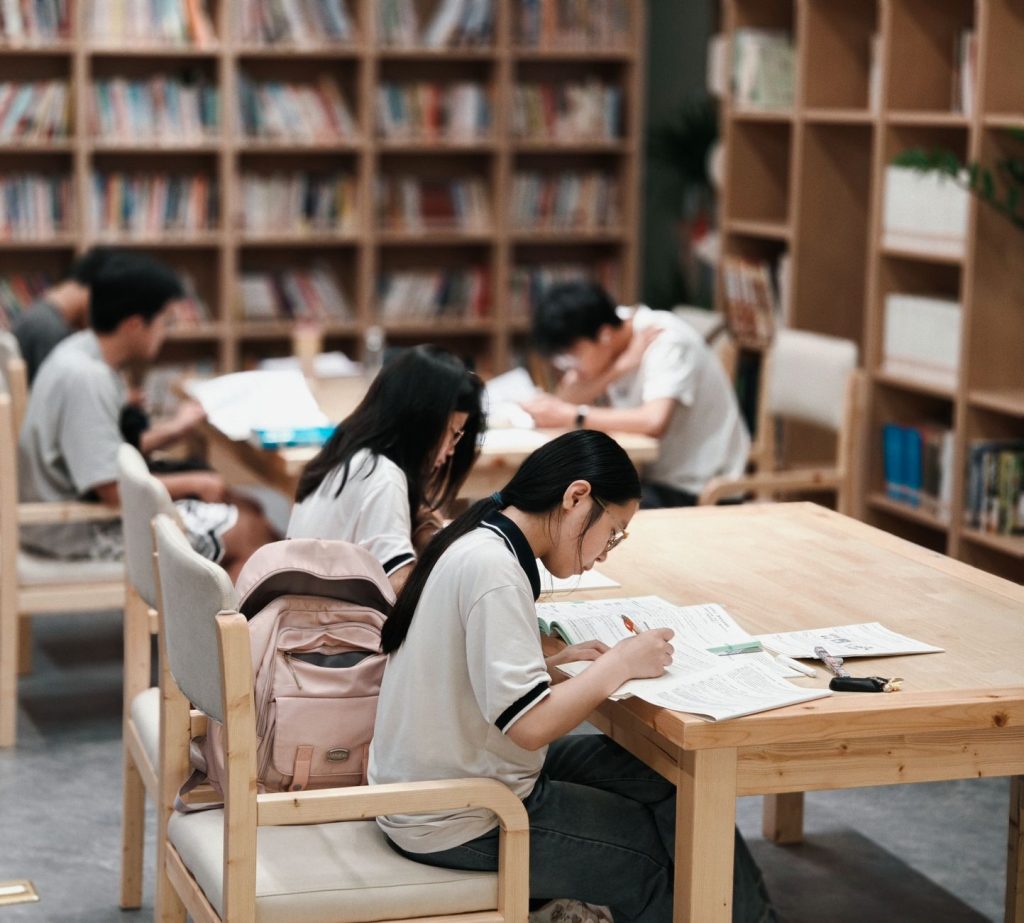
Officials argue that modern history gets short-changed because middle schoolers cover it in the second semester of ninth grade, right before high school, when attention is thin. The ministry says raising the middle-school share above 30% would create a 7-to-3 split, roughly mirroring high school’s 3.5-to-6.5 balance.
The ministry also cites a December survey of 4,776 history teachers, in which 41.3% disagreed with the current pre-modern/modern balance, outweighing the 32.4% who agreed. Alongside the rebalancing, the ministry wants to guarantee at least 204 hours of history instruction, limit cuts to the broader social-studies subject group, and create a new high-school elective in analyzing and critiquing history media content.
Why Teachers Object
Many history teachers are unconvinced. Lee Dong-uk, who chairs the curriculum committee of the National Council of History Teachers, noted that curricula are normally revised only after feedback from classrooms. He warned that overhauling the so-called 2022 revised curriculum — which has not even reached today’s ninth graders yet — would damage the “consistency and predictability” schools rely on.
Others say the proposal breaks the deliberate chronological flow between school levels, in which middle schoolers focus on pre-modern history and high schoolers on the modern era. One Gyeonggi Province teacher argued that if the goal is more modern history, the better fix is restoring the high-school share, which the 2022 curriculum — revised under former conservative President Yoon Suk-yeol — had already cut from 77% to 65%.
Skepticism surfaced inside the commission too. Member Kim Yong, a professor at Korea National University of Education, said stronger history education need not mean more class hours or new subjects: “What we need now is to free teachers from the constraint of political neutrality and create classrooms where open debate is possible.”