Why it matters. South Korea's hyper-competitive education system is among the most extreme in the world, and the medical pushback against starting it in infancy offers a cautionary case study for any society debating early academic pressure.
Background. "Gosi" historically referred to the brutally difficult national exams for civil-service and legal careers, so labeling preschool entrance tests "4-year-old gosi" is darkly ironic local shorthand. Hagwon are private after-school academies central to Korean education, and the wealthy Gangnam district of Seoul is the epicenter of this cram-school industry. A late-2025 law banned admission tests for preschoolers, but the underlying demand persists.
What to watch next. The real test is whether enforcement of the new preschool-exam ban can shift entrenched parental attitudes, or whether the early-education race simply moves underground.
The warning
A South Korean child psychiatrist is cautioning that the country’s intense early-education culture — epitomized by so-called “4-year-old exams” and “7-year-old exams” at elite Seoul cram schools — can biologically rewire young children’s brains and leave them emotionally fragile as teenagers. The argument, made by Professor Cheon Keun-ah of Yonsei University College of Medicine, follows a 2025 law that banned admission tests for preschoolers after the practice sparked national outrage.
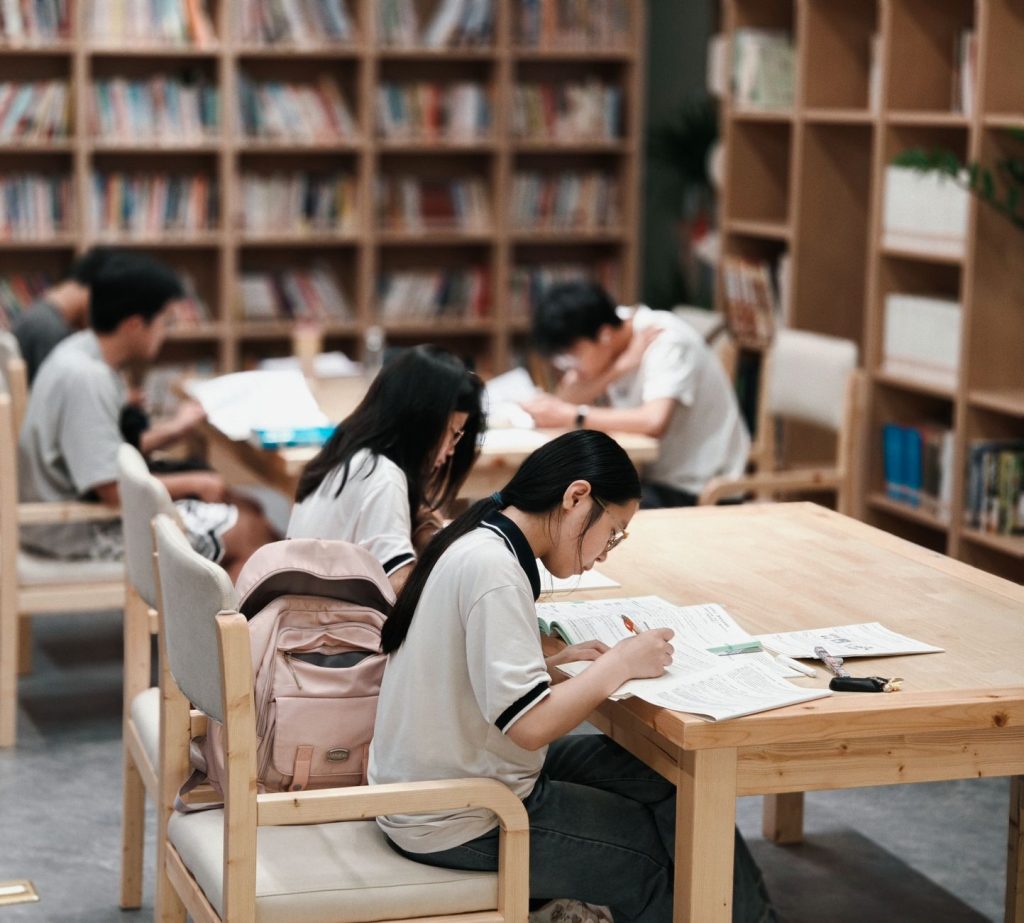
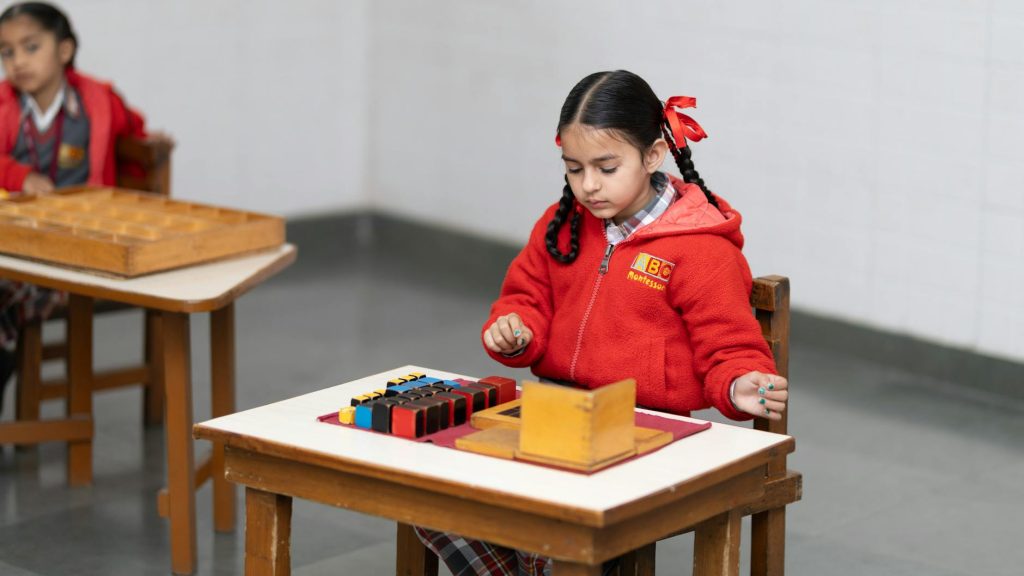
The phrases “4-year-old exam” and “7-year-old exam” (a play on “gosi,” the grueling civil-service and bar exams that once defined elite careers in Korea) refer to competitive entrance tests young children take to enter prestigious private academies, or hagwon, in the affluent Gangnam district of Seoul. Despite the new ban, online posts still urge parents to start the race early, warning that children who “just play” will fall behind.
The brain science behind the warning
According to Cheon, the belief that early academic stimulation gives children a head start stems from a misunderstanding of how young brains develop. In infancy and early childhood, she says, the most explosively developing region is the limbic system — often called the “emotional brain.” What young children need most is therefore not cognitive drilling in subjects like Korean, English and math, but emotional and social stimulation: warm interaction with parents and varied play with peers.
When excessive cognitive demands are forced onto a brain that is wired to develop in a different order, Cheon argues, neural resources get diverted and the emotional brain’s normal development is disrupted.
She also pushes back on a common parental defense — “but my child enjoys learning.” Very young children, she notes, have an immature ability to recognize their own feelings and an instinct to please their parents, so they often hide their true emotions and comply. Parents may mistake that obedience for genuine enjoyment.
From hidden stress to teenage collapse
The deeper problem, Cheon says, is that accumulated psychological distress can physically alter a child’s brain. Chronic stress flips the brain into a “survival mode” geared toward weathering immediate threats, leaving a child in a state of high anxiety and tension that becomes vulnerable to stress over the long term.
Children whose “emotional brain” is built on a shaky foundation, she warns, tend to reach adolescence with an underdeveloped frontal lobe — the brain’s brake on impulses. As the rapid changes of puberty arrive, such teenagers struggle to cope, crumble at minor academic setbacks, and are more prone to extreme rebellion or withdrawal into apathy.
Cheon’s takeaway for parents of infants and toddlers is the opposite of cram-school logic: the priority should be everyday physical affection, stimulation of the five senses to wake the brain evenly, and discipline matched to a child’s developmental stage — not an early start in the academic arms race.