Why it matters. China is the world's biggest carbon emitter and largest renewable builder, so whether its clean power actually displaces coal shapes the global emissions trajectory and the success of the energy transition everywhere.
Background. The analysis comes from Lauri Myllyvirta of CREA, a closely watched independent tracker of Chinese emissions, published via Carbon Brief, a respected UK climate-science outlet. 'Curtailment' means grid operators deliberately switch off available wind and solar; 'capacity factor' measures how much of a plant's potential is actually used. China structures coal generation around fixed long-term contracts, which gives operators little reason to make room for cheaper renewables.
What to watch next. Watch whether China's planned 2027 'new-type power system' reforms genuinely make coal a flexible, secondary resource — and whether South Korea heeds the warning as it scales toward 100 GW of renewables by 2030.
The Problem Isn’t Building Renewables — It’s Using Them
China, the world’s largest installer of wind and solar power, is squandering a growing share of the clean electricity it generates because of rigid, coal-oriented grid management — and as a result its carbon emissions rose about 2% in the first quarter of 2026 despite record renewable construction, according to an analysis published June 4 by the UK climate research nonprofit Carbon Brief.
The study, written by Lauri Myllyvirta, lead analyst at the Centre for Research on Energy and Clean Air (CREA), examined China’s energy data for early 2026. It found that even though China added more new wind and solar capacity than ever before, coal and gas generation climbed 4% year-on-year, pushing power-sector emissions up 4% and dragging the national total higher.
A Grid Built Around Coal
The numbers are striking. Renewables now make up 60% of China’s total installed generating capacity, and the country added 452 gigawatts of new clean capacity last year alone. In the first quarter of 2026, solar capacity grew 33% and wind 23% from a year earlier. Yet much of that potential is going to waste.
The key metric is the capacity factor — how much electricity a plant actually produces relative to its maximum rated output. In China, capacity factors for renewables are falling sharply: to 18% for wind and just 11% for solar. Myllyvirta calculates that if those rates had held steady, clean generation would have grown by 170 terawatt-hours, comfortably exceeding the 120 TWh rise in demand. Instead, actual clean output grew only 60 TWh — meaning China is running its renewable fleet, large enough to outproduce all of France, at barely half its capability.
Crucially, Myllyvirta argues the waste stems not from the weather but from how the grid is run. Over the past three years, roughly three-quarters of the decline in renewable capacity factors came from curtailment — deliberately limiting clean output — rather than from natural variability.
Why Coal Stays On
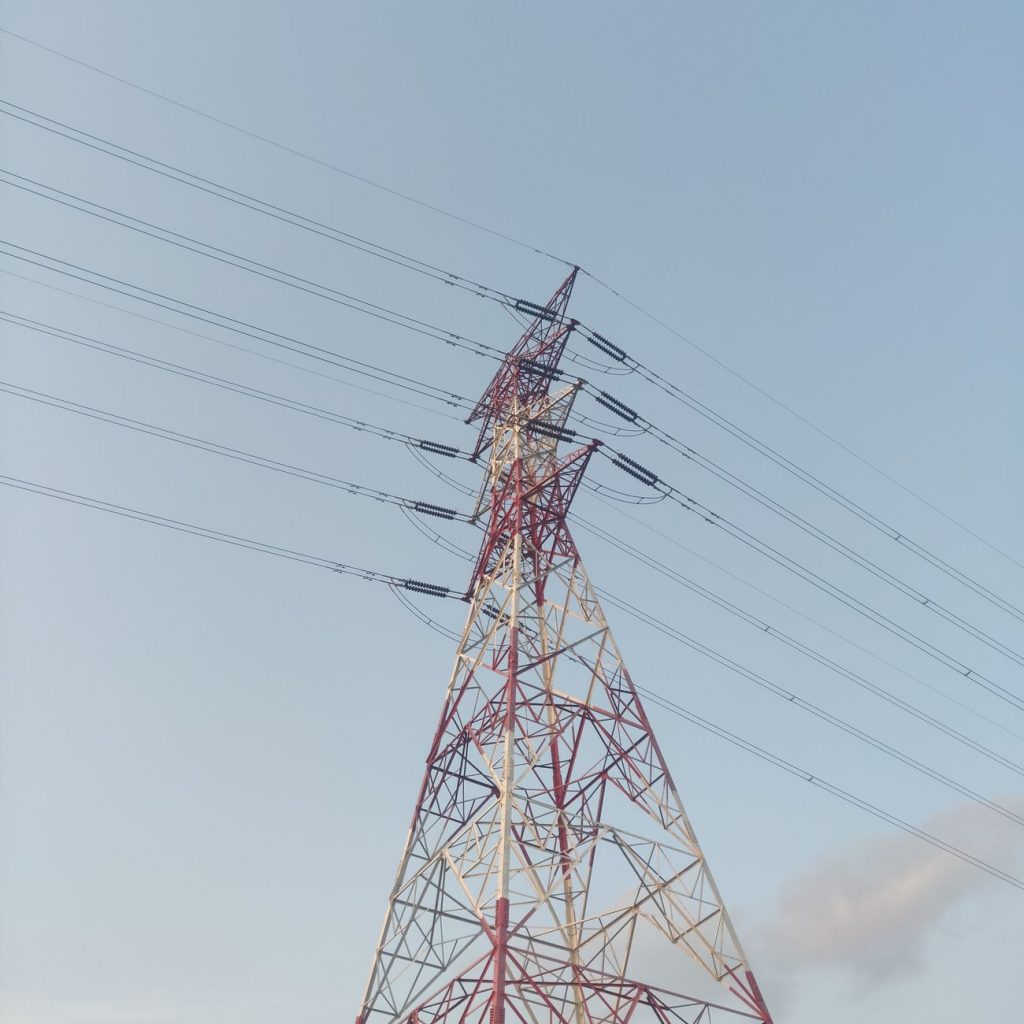
The culprit is contracting. Coal plants operate under long-term agreements that guarantee fixed volumes at fixed prices, so grid operators avoid throttling them back and instead curtail the “variable” renewables. Electricity trading between provinces also runs on annual contracts, making it hard to move clean power in real time to where it is needed. As Myllyvirta puts it, operators have “no incentive” to flex coal output to accommodate wind and solar.
To fix this, Beijing is targeting a “new-type power system” by 2027, designed to absorb large volumes of wind and solar. The central government is now asking provinces to expand renewables only as fast as they improve grid flexibility, and coal’s official role has been redefined — from “baseload” supplier to a “regulating” resource that ramps up and down.
A Warning for South Korea
The lesson resonates in South Korea, which aims to reach 100 GW of renewable capacity by 2030. In the country’s southwestern Honam region, authorities already cap new grid connections to prevent oversupply, while on the nuclear-heavy east coast, inflexible reactors leave newly built coal plants underused. The difference, analysts note, is that Korea’s bottleneck is a genuine shortage of transmission infrastructure, whereas China’s is management. If reforms favoring solar, wind and energy storage take hold, Myllyvirta says, China’s emissions could fall even faster than expected.