Why it matters. The Strait of Hormuz is a chokepoint for a huge share of the world's oil shipments, so a 100-day disruption affecting foreign crews is a signal of wider strain on global shipping and energy supply chains.
Background. South Korea is a major shipping and trading nation heavily dependent on seaborne energy imports, which makes the safety of its merchant sailors a recurring government concern. The Ministry of Oceans and Fisheries (locally "Haesupu") is the agency that tracks and supports Korean seafarers abroad, and its tight-lipped, headcount-only updates reflect a standard Korean official practice of withholding personal details to protect citizens' privacy and safety in sensitive situations.
What to watch next. Watch whether the remaining 148 sailors continue leaving one at a time or whether a coordinated departure or resolution of the blockade emerges.
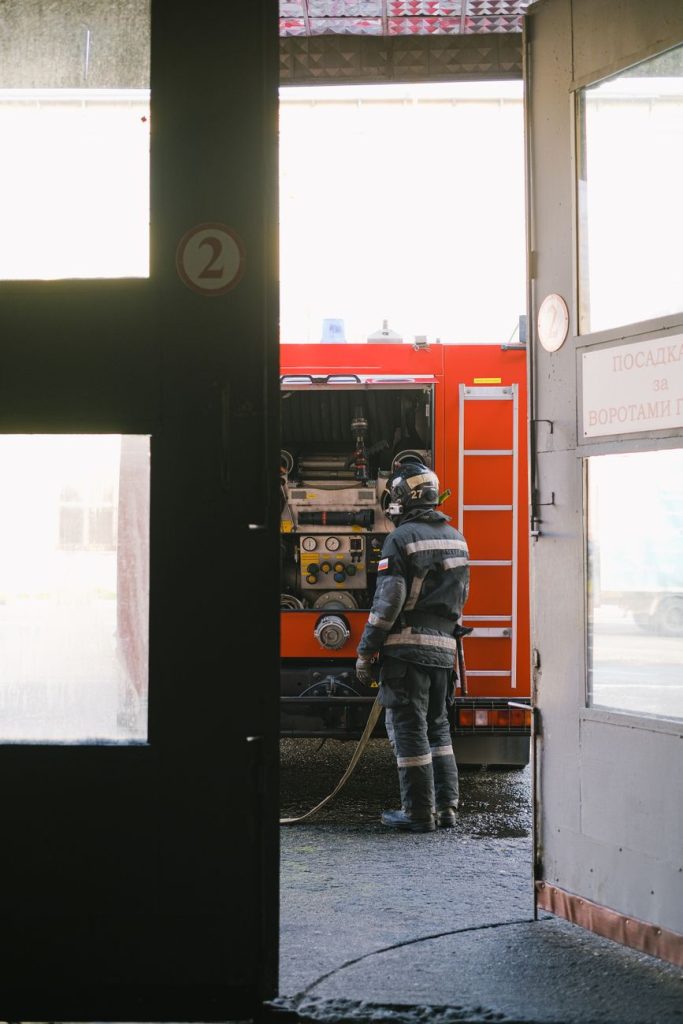
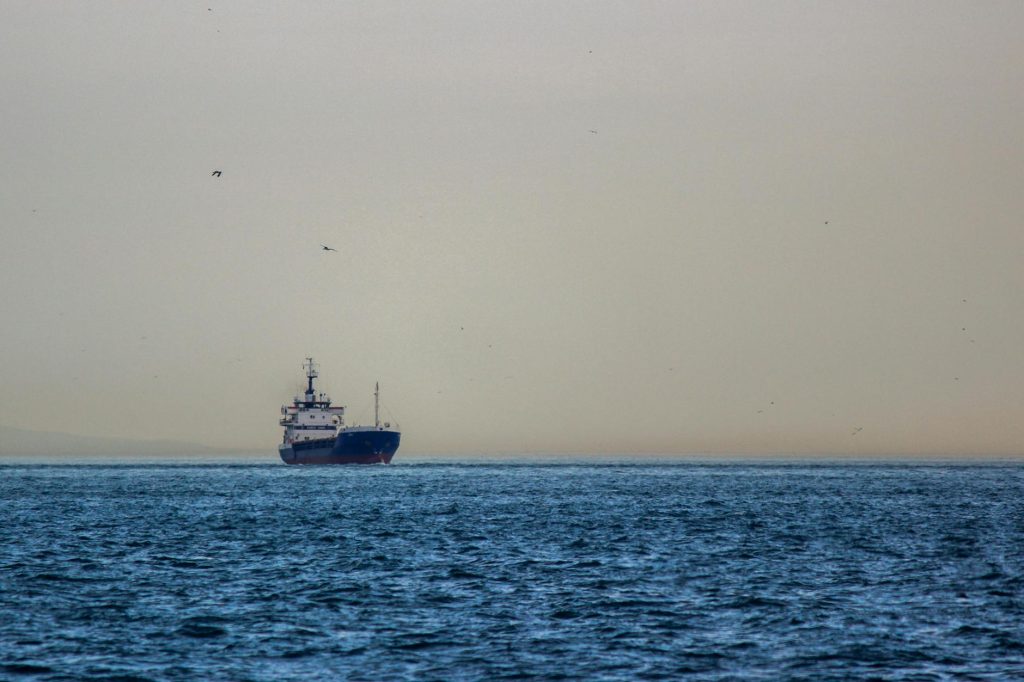
One South Korean sailor left a vessel anchored inside the Strait of Hormuz on June 8, the 100th day of what authorities describe as an effective blockade of the waterway, leaving 148 South Korean crew members still in the area. The disembarkation was reported on June 9 by South Korea’s Ministry of Oceans and Fisheries.
What the latest figures show
According to the ministry, as of 6 p.m. on June 8, one Korean crew member disembarked from a South Korean-flagged ship moored inside the strait. That brought the number of Koreans aboard national-flagged vessels down from 114 to 113.
Counting both fleets, the breakdown of South Korean nationals still in the Strait of Hormuz now stands at:
- 113 aboard South Korean-flagged (national) ships
- 35 aboard foreign-flagged ships
- 148 in total
The June 8 departure is the latest in a slow trickle of crew members leaving. The ministry said one Korean sailor disembarked from a national-flagged ship on May 22, followed by another on May 30. Each departure has nudged the total down by a single person, underscoring how gradual the drawdown has been over the 100-day period.
Why details are scarce
South Korean authorities have released little beyond the headline numbers. The Ministry of Oceans and Fisheries — the government body responsible for shipping, ports and seafarers, often abbreviated locally as “Haesupu” — said it could not disclose specifics about individual sailors, citing both personal-data protection and the safety of the crew members involved.
That reticence means key questions remain unanswered in the official accounting: how the remaining sailors are being supported, what conditions aboard the anchored vessels are like, and what timeline, if any, exists for the rest to leave. The ministry’s daily-style updates have so far focused narrowly on confirmed headcounts rather than the circumstances behind them.
The bigger picture
The Strait of Hormuz is one of the world’s most strategically sensitive maritime passages, a narrow channel connecting the Persian Gulf to the open ocean through which a large share of global seaborne oil traffic flows. Any prolonged disruption there ripples through international shipping and energy markets, and it leaves crews — including the 148 South Koreans — effectively waiting in place aboard vessels that cannot move freely.
For now, the official picture is one of incremental change: a single sailor at a time stepping off, with 148 of their compatriots still aboard ships held inside the strait as the situation passes its 100-day mark.