Why it matters. Oil is the single biggest swing factor in global inflation and growth, so a Brent price below $80 touches fuel bills, central-bank rate decisions and household budgets far beyond the Middle East.
Background. South Korea imports almost all of its oil and gas and has no domestic crude, which makes it acutely sensitive to Gulf supply shocks; Korean outlets such as Kyunghyang Shinmun frame this story primarily as a consumer-relief and energy-security question, while citing the New York Times for the broader geopolitical analysis. Seoul leaned on coal during the squeeze, an awkward step for a country that has pledged to cut emissions.
What to watch next. The key date is June 19, when the US-Iran memorandum is due to be signed and sanctions relief takes effect—watch whether Iranian barrels actually return to market on schedule and how OPEC+ responds.
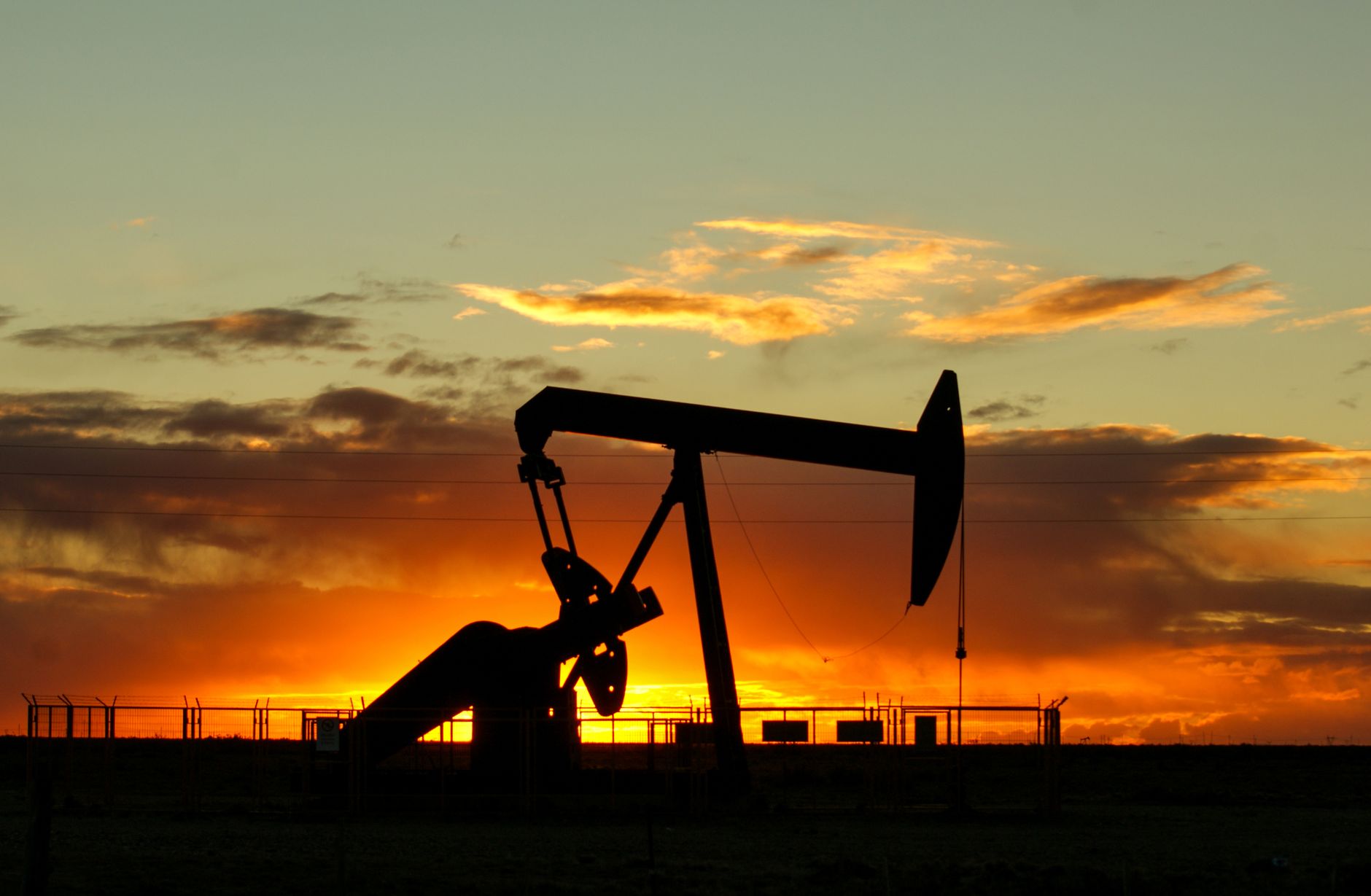
International oil prices fell to their lowest level in roughly three months on June 16, with Brent crude closing below $80 a barrel for the first time since early March, as markets bet that a US-Iran ceasefire is now days away and that sanctions on Iranian oil exports will be lifted almost immediately after the deal is signed.
The drop caps a four-session slide that began on June 11, when signs first emerged that Washington and Tehran were closing in on a settlement to end the war that started on February 28, when US and Israeli forces began bombing Iran. For energy importers across Asia—South Korea and Japan chief among them—the relief at the pump is real but, analysts warn, the deeper changes the conflict set in motion are not going to reverse.
What the numbers say
On the ICE futures exchange, Brent crude for August delivery settled at $78.96 a barrel, down 5.1% on the day. On the New York Mercantile Exchange, US West Texas Intermediate (WTI) for July delivery tumbled 5.8% to $76.05. It was the first time Brent had closed under $80 since March 2—the first trading day after the war began.
The context matters. On February 27, the last session before the strikes, Brent stood at just $72.48 and WTI at $67.02. So even after this sharp retreat, crude is still trading well above its pre-war floor: Brent is about 9% higher than it was before the fighting, and WTI roughly 13% higher. In other words, prices are falling fast, but they have not returned to where they started.
The decisive trigger on the day was a report in The Wall Street Journal that the United States plans to grant Iran immediate relief from oil sanctions the moment the agreement is signed. According to that account, once the formal memorandum of understanding (MOU) is signed—currently scheduled for June 19—Washington will temporarily waive existing sanctions so that Iran can once again sell crude and refined petroleum products on the open market. The prospect of fresh Iranian barrels returning to a market that has spent months pricing in scarcity was enough to accelerate the sell-off.
For consumers, the read-across is straightforward in principle: sustained falls in crude tend to feed, with a lag, into lower fuel costs—though pump prices also hinge on taxes, refining margins and exchange rates as much as on the price of a barrel. That is why a number below $80 makes headlines well beyond the trading floor.

Why the old normal isn’t coming back
Here is the paradox at the heart of this story, and the angle The New York Times emphasized in its June 16 analysis: the shooting may be stopping, but the global economy will not simply rewind to February. Energy flows, trade patterns and the trajectory of growth have all been pushed in directions that are difficult to undo.
Start with energy itself. Middle Eastern producers are now competing harder to defend their grip on global supply, while importing nations scramble to diversify away from a region that has just demonstrated how quickly its exports can be disrupted. In the short run, that has meant some backsliding: South Korea and Japan—two resource-poor economies that import the overwhelming majority of their oil and gas—leaned more heavily on coal and other lower-grade fuels to keep the lights on during the squeeze.
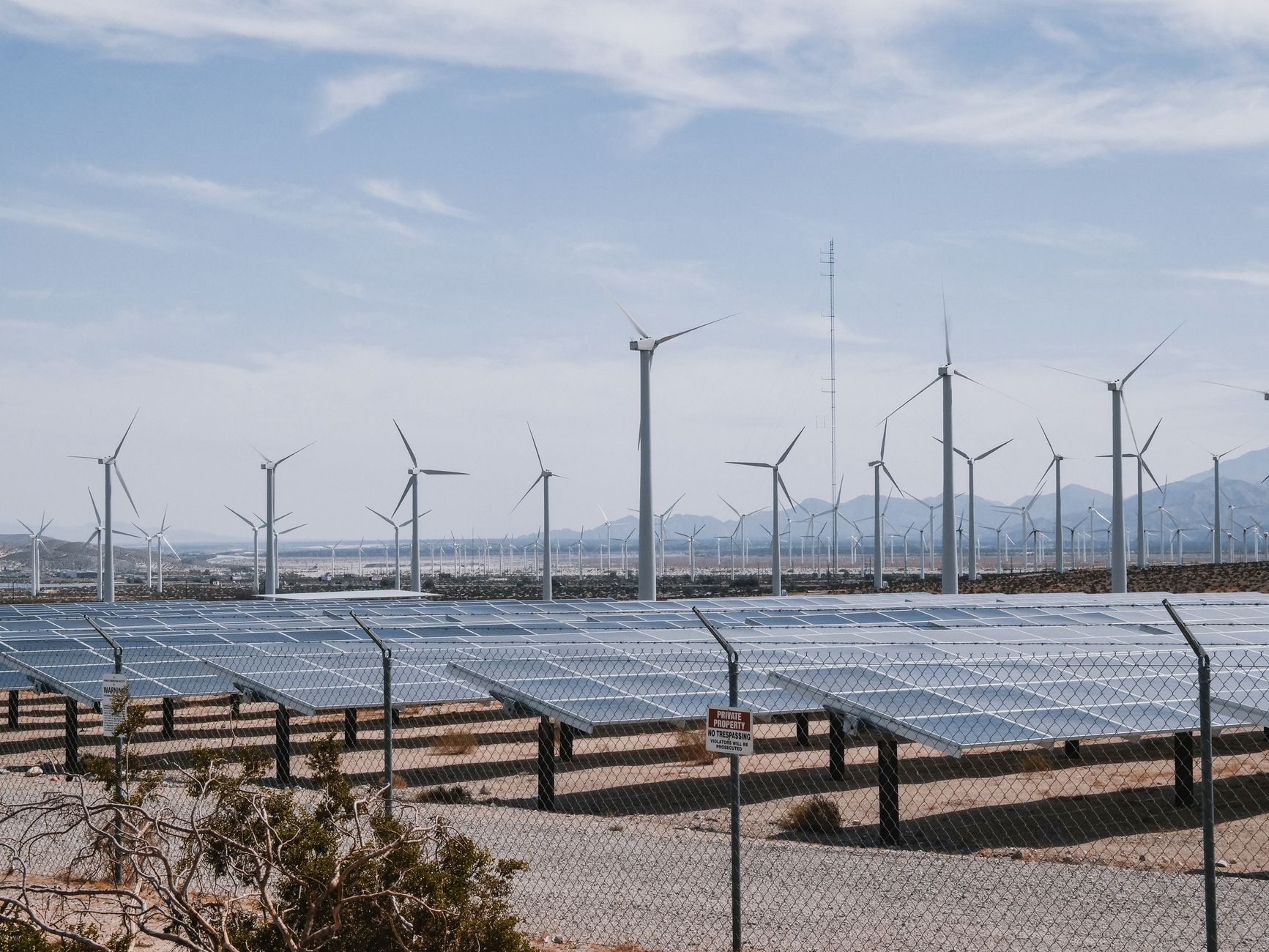
The longer-term signal points the other way. Dan Walter of the energy think tank Ember noted that the payback period for solar and wind investments has collapsed from around 30 years to roughly two—a staggering shift in the economics of clean power. Expensive, insecure fossil fuels make renewables look not just greener but cheaper, and that math tends to be sticky. The crisis, in this reading, will end up accelerating the very energy transition it temporarily interrupted.
New winners, new alignments
The war has also jolted the geopolitics of energy. The United Arab Emirates has withdrawn from the OPEC+ cartel, the producer alliance that coordinates output to manage prices. Saudi Arabia, meanwhile, has drawn closer to Russia—Russian President Vladimir Putin invited the kingdom as an “honored guest” to this month’s St. Petersburg economic forum—and Moscow’s oil revenues have risen after the Trump administration temporarily eased some sanctions on Russia.
The standout beneficiary, however, sits further east. The consultancy Wood Mackenzie flatly called China “the clear winner.” The logic is supply-chain dominance: China overwhelmingly leads the manufacture of the components a modern energy grid runs on—wind turbines, high-voltage cables, solar panels and batteries. If the conflict speeds the world’s pivot toward renewables, much of the resulting demand flows straight to Chinese factories.
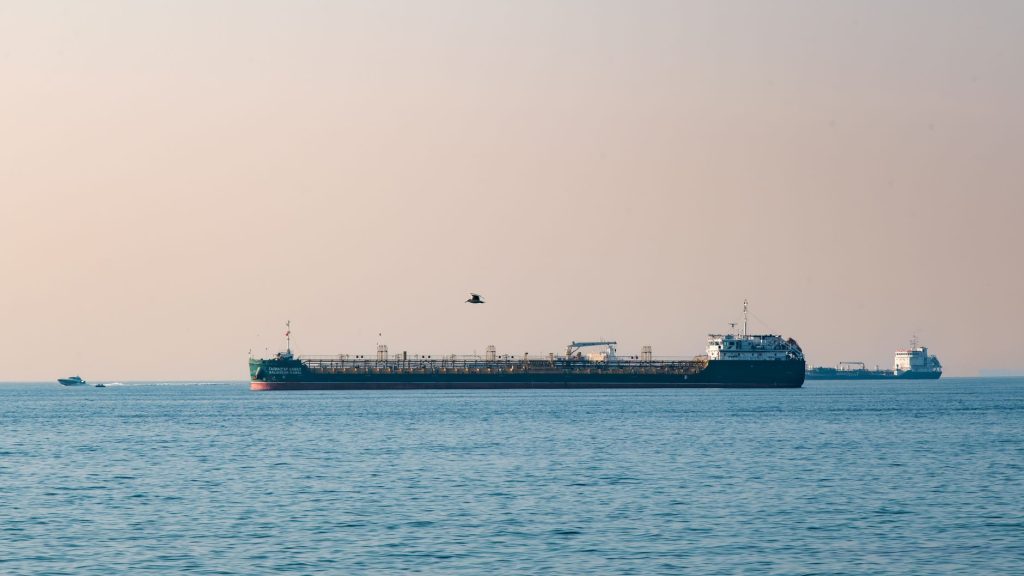
There are unresolved risks, too. Free passage through the Strait of Hormuz—the narrow chokepoint through which a large share of the world’s seaborne oil and gas travels—is no longer something shippers can take for granted. Maurice Obstfeld, a former chief economist of the International Monetary Fund, warned it would be hard to return to a state where transit through the strait is simply assumed to be free and safe; reports that Iran wants to levy tolls on passing vessels add another layer of uncertainty. And the damage is physical as well as financial: Qatar saw a gas field accounting for some 17% of its liquefied natural gas (LNG) export capacity hit during the fighting.
The bill comes due in growth and prices
For households worldwide, the macroeconomic aftermath may prove more consequential than any single day’s oil price. The World Bank has cut its global growth forecast for this year, 2026, from 2.9% to 2.5%. In the United States, consumer price inflation reached an annual 4.2% in May, rising for a third straight month, and Wall Street now expects the Federal Reserve to raise interest rates at least once before year-end. The European Central Bank has already lifted its key rate to 2.25%. Indermit Gill, the World Bank’s chief economist, summed up the mood bluntly: the world economy, he said, is being left in a more unstable state.
That is the uncomfortable backdrop to the cheaper barrel. Energy shocks rarely end neatly when the conflict that caused them does, and this one is shaping up the same way—with a faster clean-energy push, a more China-centric supply chain and a permanently higher risk premium on Gulf shipping outlasting the war itself.
Key takeaways
- Brent crude closed at $78.96 (-5.1%) and WTI at $76.05 (-5.8%) on June 16, with Brent below $80 for the first time since March 2.
- The fall is driven by an imminent US-Iran ceasefire; Washington plans to waive Iranian oil sanctions immediately after the MOU is signed, reportedly on June 19.
- Despite the slide, crude remains about 9% (Brent) and 13% (WTI) above pre-war levels—prices are easing, not reverting.
- Analysts say the energy map has shifted in lasting ways: faster renewables adoption, the UAE exiting OPEC+, Saudi-Russia ties tightening, and China positioned as the biggest winner.
- The World Bank cut its 2026 global growth forecast to 2.5%, US inflation hit 4.2%, and central banks are leaning hawkish—leaving the world economy more fragile even as the war winds down.