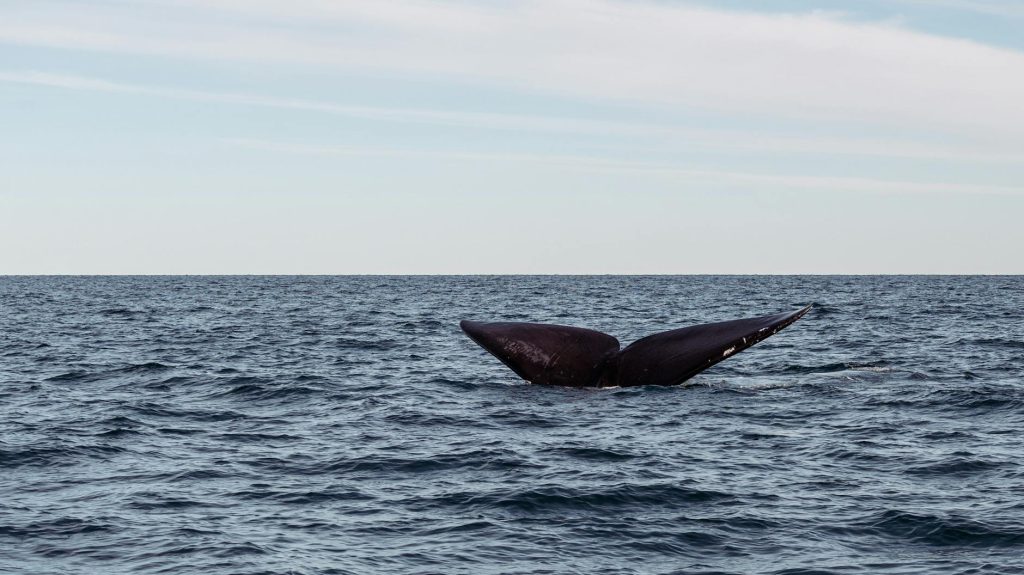
Why it matters. It is one of the world's rare pieces of direct physical evidence that humans hunted whales thousands of years ago, predating the industrial whaling most readers associate with the practice.
Background. Ulsan, on Korea's southeast coast, is the country's historic whaling hub and home to the Bangudae petroglyphs, prehistoric rock carvings added to UNESCO's World Heritage list in 2025. Korea's National Folklore Cultural Heritage designation is an official state status that triggers legal protection and funding. The agency was recently renamed from the Cultural Heritage Administration to the Korea Heritage Service.
What to watch next. After the 30-day public notice and a Cultural Heritage Committee review, the artifacts could become the first state-designated heritage among Korea's prehistoric subsistence-related items.
South Korea’s heritage authorities announced on June 8 that four prehistoric artifacts unearthed in the southeastern city of Ulsan — including a deer-antler harpoon point still embedded in a whale bone — will be designated as National Folklore Cultural Heritage, offering rare physical proof that people on the Korean Peninsula hunted whales roughly 5,000 years ago.
What Was Found
The artifacts were excavated in 2010 from a Neolithic-era site in Ulsan’s Hwangseong-dong district. The centerpiece is a set of whale bones — part of a tail vertebra and part of a shoulder blade — each pierced by a single harpoon point. The points were not metal but were ground and shaped from deer antler, a hard, workable material that early hunters fashioned into tools.
Because the harpoon tips remain lodged in the bone, the find captures a prehistoric whale hunt almost in the act. Korea’s Cultural Heritage Administration (now the Korea Heritage Service) described the artifacts as exceptionally rare, with few comparable examples found in the country.
A Real Record Behind an Ancient Carving
The discovery carries added weight because of where it was found. Nearby, along the banks of the Bangucheon stream, sit the prehistoric Bangudae petroglyphs — rock carvings recently inscribed on the UNESCO World Heritage list — which depict people catching whales using boats, harpoons and nets.
Scholars had long debated whether those carvings were literal records of daily life or symbolic, ritual images. A heritage official said the embedded harpoon points show that the petroglyphs’ whaling scenes were “not merely symbolic or ceremonial expressions, but an actual record of whaling activity.” In other words, the bones turn an ancient picture into documented history.
The official added that the artifacts vividly illustrate the daily culture, subsistence skills and tool-making techniques of Neolithic people on the peninsula.
What Happens Next
The Korea Heritage Service has issued a 30-day notice of intended designation. During that window it will gather opinions from experts and the public, after which the Cultural Heritage Committee will review the case and finalize the decision.
If confirmed, the whaling artifacts would become the first state-designated cultural heritage among Korea’s prehistoric items tied to production and subsistence — a category that documents how ancient people made a living rather than how they worshipped or ruled. For a country whose modern identity is bound up with the sea, it would formally enshrine evidence that its coastal communities were hunting whales millennia ago.