Why it matters. Korea's bargain war is a clear, on-the-ground gauge of how persistent inflation is reshaping everyday consumer behavior in a major Asian economy — a pattern playing out in many markets worldwide.
Background. The won trades at roughly 1,360 to the US dollar, so 1,000 won is about $0.73 and 10,000 won about $7.30; these round figures act as strong psychological price points for Korean shoppers. Lotte Mart, Homeplus and E-Mart are the country's three dominant hypermarket chains, while CU is a leading convenience-store franchise — outlets that are far denser and more central to daily shopping in Korea than in most Western countries. 'Private brand' (PB) goods are store-owned labels that retailers have aggressively expanded to offer lower prices.
What to watch next. Expect the price competition to keep spreading into new categories as chains test how far they can lower entry-level price points without eroding margins.
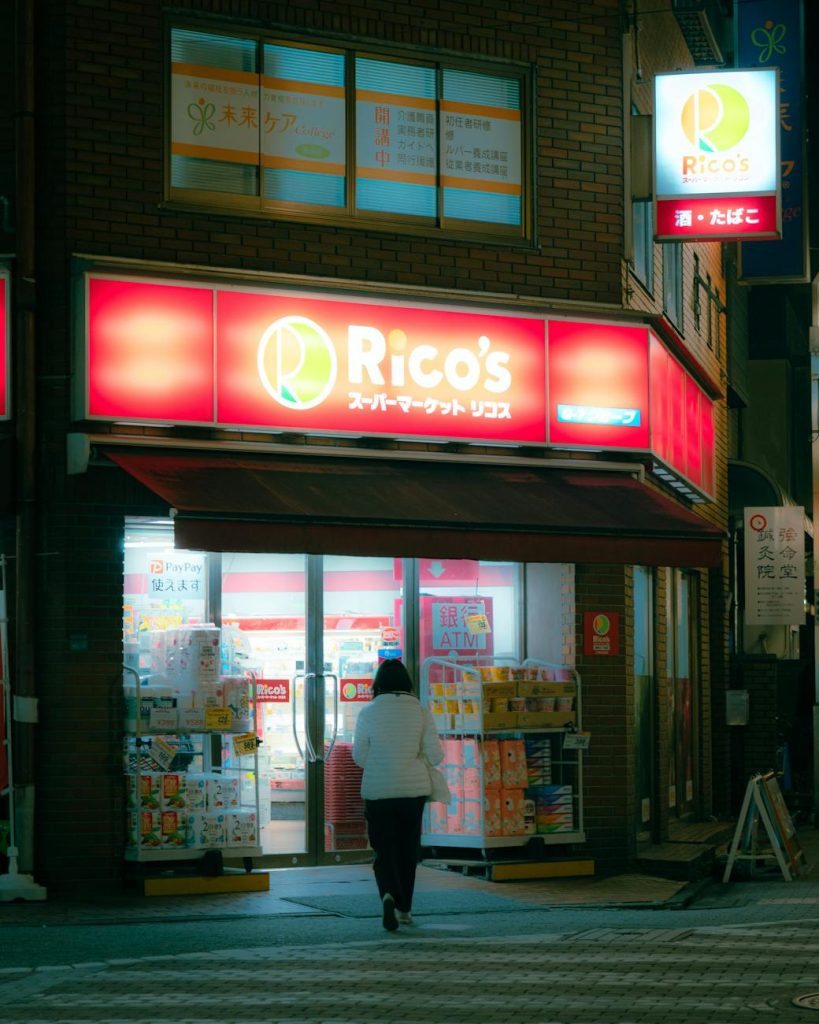
South Korean retailers are racing to roll out ultra-cheap groceries and liquor in June 2026, as prolonged inflation drives shoppers toward budget buys. On June 10, supermarket chain Lotte Mart and convenience-store operator CU each announced new sub-1,000-won groceries and sub-15,000-won whisky, the latest moves in an intensifying low-price war across the country’s major chains.
Supermarkets Push Groceries Below 1,000 Won
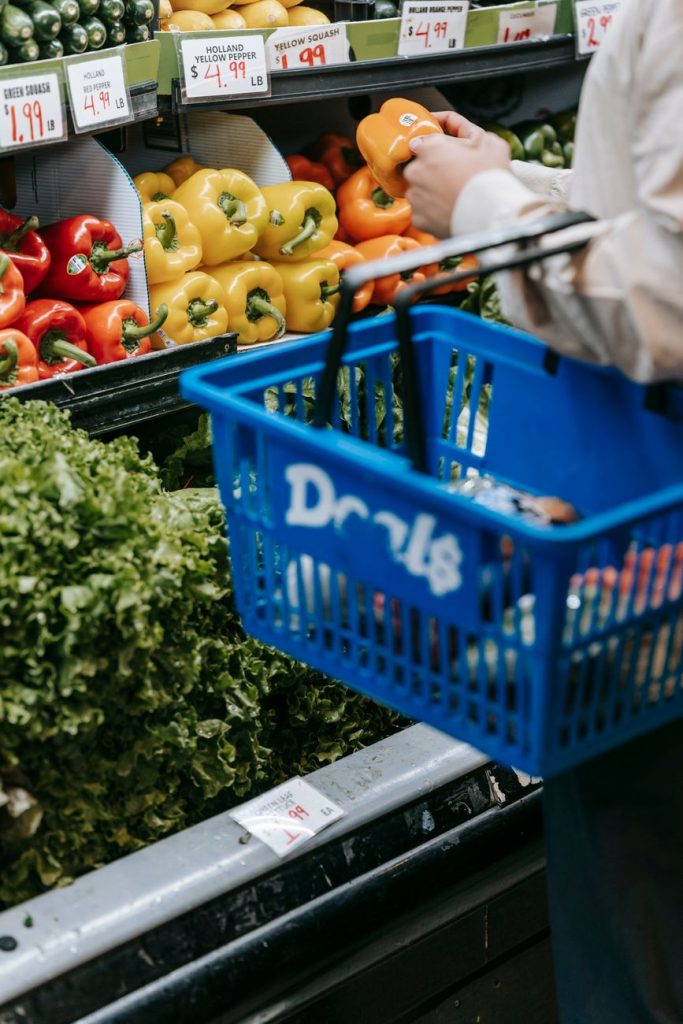
Lotte Mart, one of Korea’s largest hypermarket chains, said it will launch two new private-brand staples under its “Oneul Joeun” (“Good Today”) label. A 380g pack of mung bean sprouts goes on sale June 11 for 980 won (about $0.72), followed on June 25 by 350g of sundubu — soft, uncurdled tofu used in Korean stews — for 690 won (about $0.50).
The chain says demand for rock-bottom prices is real and growing. Sales of its private-brand items priced under 1,000 won rose 18.3% in the first five months of 2026 versus a year earlier. In response, Lotte Mart has doubled its lineup of sub-1,000-won products, from 45 items in 2024 to 90 as of June 2026.
Rivals are matching the strategy. Homeplus is running a promotion from June 11–17 under its “Simplus” private label: three new noodle products — including cold buckwheat noodles and Hamhung-style spicy mixed noodles — at 3,490 won each, peach juice at 1,980 won, and americano, sweet americano and caffe latte at 1,000 won (about $0.73) per cup. E-Mart, the country’s top discount chain, has run a “5K Price” program since August 2024 that caps every item in the range at 5,000 won.
Convenience Stores Bring Value to the Liquor Aisle
The bargain push now extends to alcohol. CU, the convenience-store brand run by BGF Retail, launched a Scotch whisky called “Gilly More” on June 10 in the 10,000-won price tier. The chain says budget bottles are reshaping a market once dominated by premium labels: whiskies priced at 50,000 won or less accounted for 67.6% of CU’s total whisky sales from January through May. The retailer had already released a peated whisky in the same low tier in February.
Gilly More normally retails for 16,900 won but is being sold at 13,900 won for a one-month launch promotion. Shoppers paying with Payco reward points can bring the price down to 11,120 won (about $8.20).
Why the Race to the Bottom
Behind the campaigns is a simple calculation: with household budgets squeezed, value-for-money has become the most reliable way to win foot traffic. Private-brand goods — store-owned labels that cut out third-party manufacturers’ margins — let retailers undercut name brands while protecting their own profits, which is why nearly every chain is leaning on them. For shoppers, the result is a widening shelf of staples, drinks and now spirits engineered to clear psychological price thresholds like 1,000 won and 10,000 won.