Why it matters. The infrastructure powering the global AI boom is being built faster than its exposure to climate extremes is being assessed, and Korea — a key Asian tech hub — illustrates how flood risk is quietly being baked into the cloud the whole world relies on.
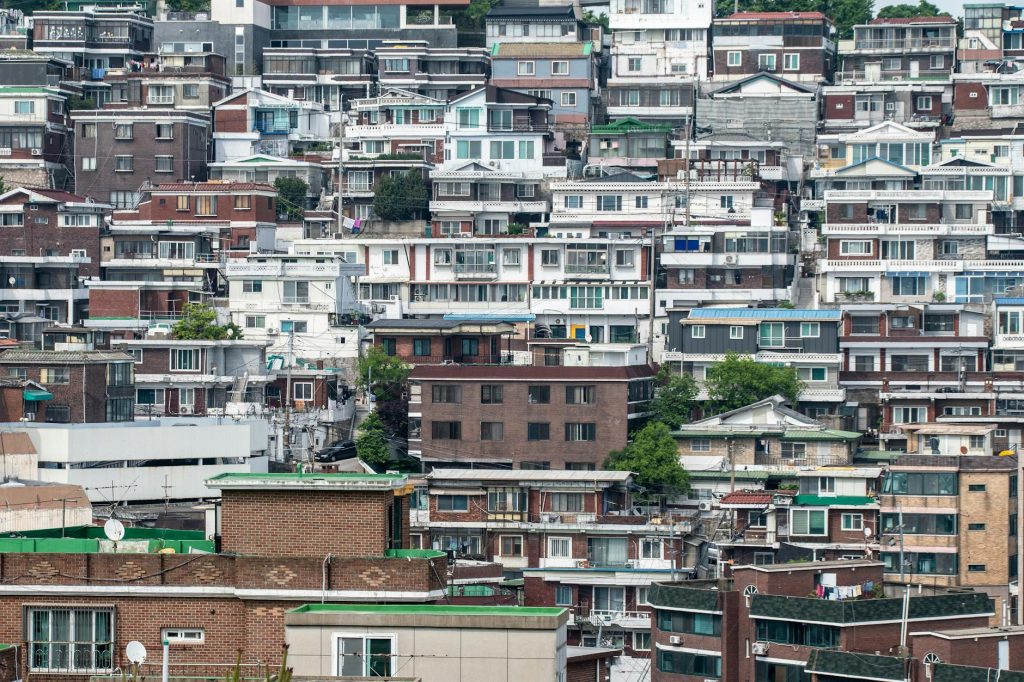
Background. South Korea is one of Asia's most digitally advanced economies and a major destination for data-center investment, but its summer monsoon (jangma) brings concentrated, intensifying rainfall. A catastrophic 2022 Seoul flood that drowned residents in a semi-basement home — echoing the film Parasite — exposed how the capital's dense urban core and drainage struggle with extreme downpours. Most facilities cluster around Seoul and surrounding Gyeonggi Province.
What to watch next. Watch whether Korean regulators and operators tighten flood-resilience and cooling standards for data centers as insurers and lenders begin pricing physical climate risk into the sector.
The headline finding
South Korea ranks eighth among 25 countries for the share of its planned artificial-intelligence data centers exposed to high physical climate risk, according to a global analysis published on June 18 by XDI, an Australian climate-risk analytics firm. Of the 27 data centers Korea has on the drawing board, 22 percent could be classed as “high risk” assets if built with weak climate defenses — with flash flooding, not heat, identified as the country’s single biggest threat.
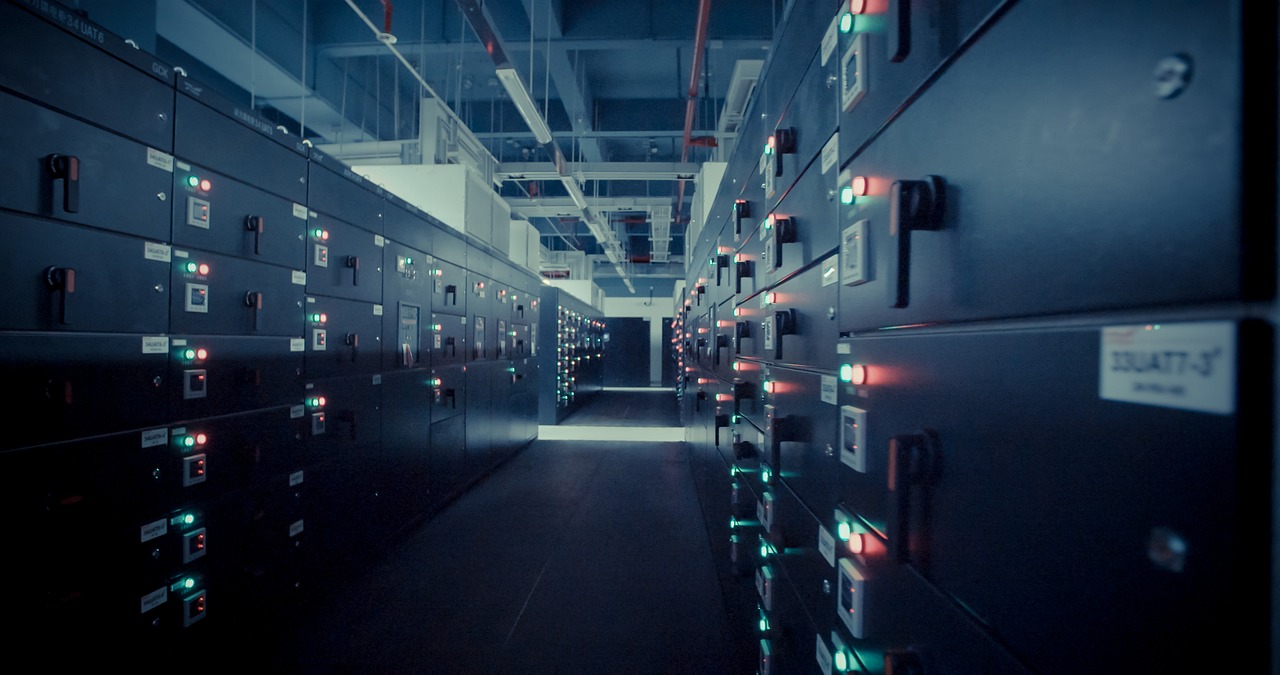
The finding lands at a moment when governments and tech giants worldwide are racing to build the physical backbone of the AI boom. Data centers are the warehouses of the digital economy: vast, power-hungry buildings packed with the servers that train and run AI models, stream video, and store the cloud. XDI — the Cross Dependency Initiative — specializes in putting a dollar figure on the damage that extreme weather and climate change inflict on physical assets and infrastructure. Its new report, “2026 Global Analysis of Physical Climate Risk and Resilience for Planned Data Centers,” is one of the first attempts to stress-test the AI build-out against the climate it will be operating in.
How the analysis works
XDI examined 2,595 data centers planned worldwide and modeled their exposure as of 2026 to 11 distinct hazards — river and surface-water flooding, coastal inundation, extreme wind, extreme heat, wildfire, tropical-cyclone winds and storm surge, soil movement, and landslides — then estimated how much each could erode a facility’s asset value. Sites were sorted into high-, medium-, and low-risk tiers.
One important caveat shapes every number: most planned data centers have not published their design specifications, so XDI cannot know how well each will be built to withstand a flood or a heatwave. To handle that uncertainty, the analysts ran two scenarios — one assuming low levels of climate-proofing, and one assuming high levels. The gap between the two is effectively the value of good engineering.
Globally, the low-defense scenario flags 154 facilities — about 6 percent of the total — as high-risk. Roughly half of those (73) sit in North America, but that is largely a function of sheer volume: the region has 1,599 planned centers, so its high-risk share is a modest 5 percent. The real concentration is in Asia. Southeast Asia carries a 20 percent high-risk share, East Asia 13 percent, and South Asia 12 percent — well above the global average.
Why Korea stands out
Among individual countries, Vietnam tops the table: two of its three planned facilities, or 67 percent, fall into the high-risk bracket under the low-defense scenario. Korea’s eighth-place ranking reflects its 22 percent figure. Crucially, even under the high-defense scenario, 7 percent of Korea’s data centers remain high-risk — meaning engineering alone cannot fully design the danger away.
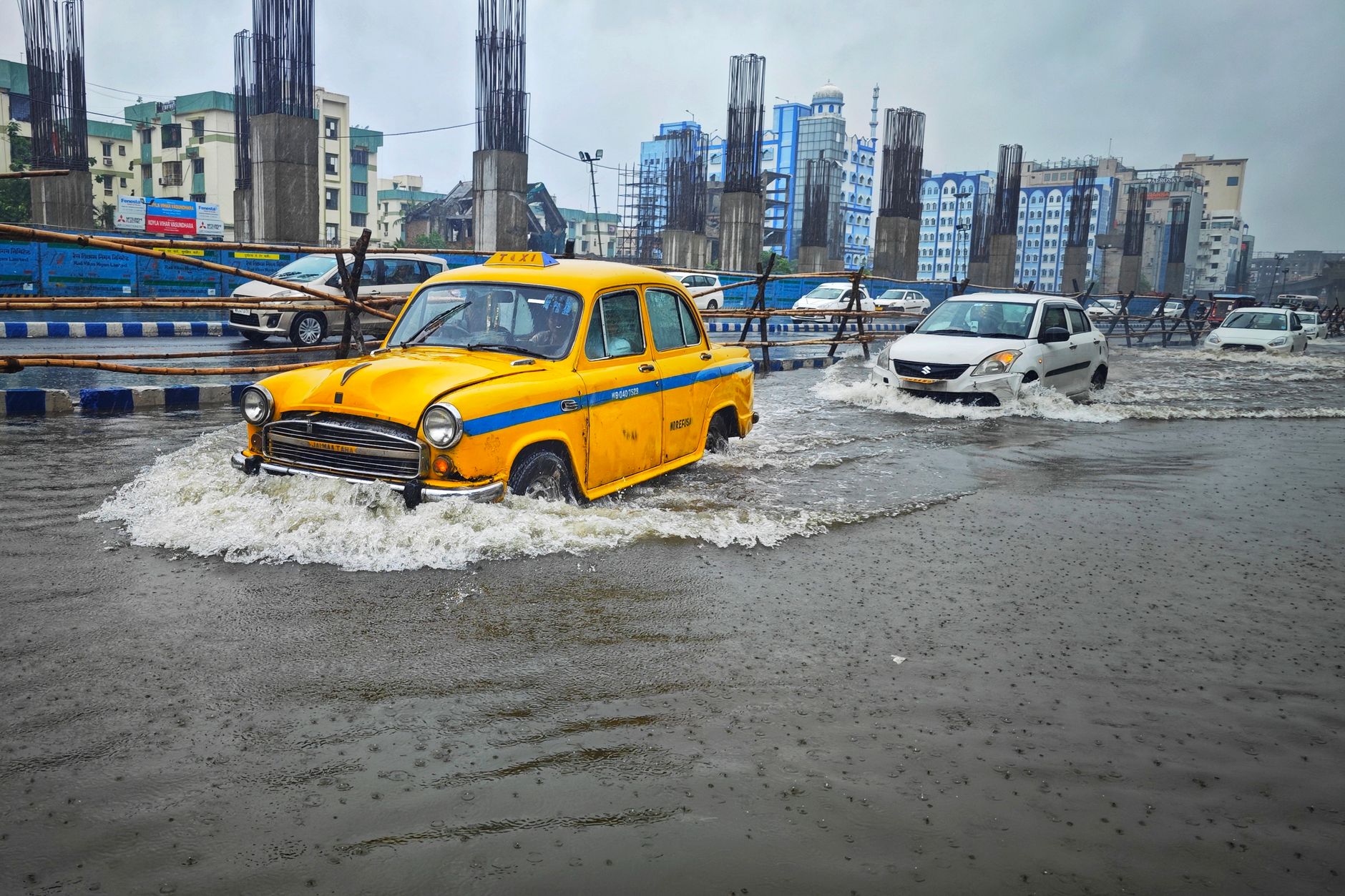
The driver is geography and rainfall. Korea’s dominant hazard is “surface-water flooding” — the kind that occurs when torrential downpours overwhelm the ground’s ability to absorb water and outstrip the capacity of drains and urban infrastructure. This is not an abstract worry. In August 2022, record-breaking rain swamped Seoul, submerging the affluent Gangnam district, flooding subway stations, and drowning a family in a semi-basement apartment — a disaster that drew global attention partly because the dwelling resembled the one in the Oscar-winning film Parasite. Korea’s summer monsoon, known locally as jangma, is growing more erratic and intense as the climate warms, concentrating a season’s worth of rain into a few violent days.
At the regional level, the capital itself is exposed. Seoul ranks fourth globally among large administrative areas for its share of high-risk data centers: under the low-defense scenario, three of its seven planned facilities — 43 percent — are flagged, again because of surface-water flooding. Only Nouvelle-Aquitaine in France, Oklahoma in the United States, and Rio de Janeiro in Brazil rank worse. Gyeonggi Province, the densely populated belt that rings Seoul and hosts much of the country’s industrial and data infrastructure, comes in 22nd, with two of nine planned centers high-risk; there, river flooding is the leading factor.
The longer arc: heat is coming
The picture darkens over time. Under a “high-emissions” scenario — one in which the world fails to cut greenhouse gases aggressively — Korea’s data-center damage risk is projected to climb 135 percent between 2026 and 2100. Today, the risk that extreme heat forces a Korean facility to shut down is rated low. But the report singles out Korea as a place where that risk could rise rapidly.
Heat is an insidious threat because it does not smash buildings the way a flood or a cyclone does. Instead it attacks the cooling systems that data centers depend on. Servers generate enormous waste heat, and keeping them within a safe operating range consumes vast amounts of electricity and water; when ambient temperatures spike, cooling becomes harder, costlier, and occasionally insufficient, risking slowdowns or outages. XDI warns that “extreme heat is becoming an increasingly important challenge for digital infrastructure operations,” and that heat-related risk is climbing fast even in markets not traditionally seen as heat-exposed.
For an international reader, the takeaway is bigger than Korea. The AI gold rush is being built on physical ground that is becoming less stable, and the industry’s habit of clustering facilities near major cities — for cheap power, fast fiber, and proximity to users — often places them in exactly the flood-prone river basins and heat-island urban cores that climate change is making more dangerous. As insurers and lenders begin pricing this exposure, climate resilience is shifting from an engineering footnote to a core financial question for the entire AI economy.
Key takeaways
- XDI’s report finds 22 percent of South Korea’s 27 planned AI data centers could be high climate-risk assets, placing the country eighth of 25 nations.
- Surface-water (flash) flooding is Korea’s dominant hazard; Seoul ranks fourth worldwide for high-risk data-center share, with 43 percent of its planned sites flagged.
- Even with strong climate-proofing, 7 percent of Korea’s centers stay high-risk — engineering cannot fully eliminate the threat.
- Under a high-emissions path, Korea’s data-center damage risk is projected to rise 135 percent by 2100, with extreme heat emerging as a fast-growing danger to cooling systems.
- Globally, 6 percent of 2,595 planned facilities are high-risk, with Asia far more exposed than its raw counts suggest.