Why it matters. This is the first time a former South Korean president has faced criminal charges alleging he tried to provoke a military clash with North Korea to seize emergency powers — a case that tests how a major democracy holds a leader accountable for an attempted power grab.
Background. On December 3, 2024, Yoon Suk-yeol declared martial law, but the National Assembly voted it down within hours, triggering his removal from office. South Korea's National Assembly and courts have since pursued multiple cases against him; an "internal rebellion" (naeran) special counsel was appointed to investigate, a mechanism reserved for politically sensitive cases. The Defense Counterintelligence Command and Drone Operations Command are elite military units whose leaders were among Yoon's closest security allies.
What to watch next. Whatever the court decides, the losing side is almost certain to appeal, sending the case to South Korea's higher courts and keeping it in the political spotlight for months.
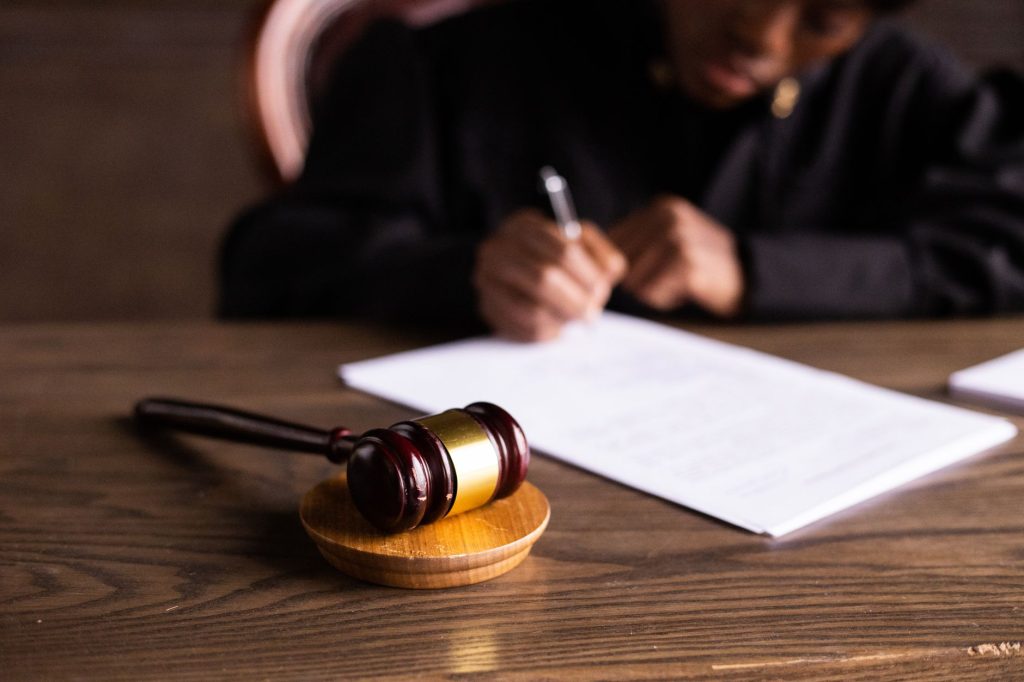
A South Korean court is set to rule on June 12 whether former President Yoon Suk-yeol ordered a covert military drone operation into Pyongyang, North Korea’s capital, in a scheme prosecutors say was designed to manufacture a pretext for his short-lived December 2024 mart-law decree. A special counsel team has asked the Seoul Central District Court to sentence him to 30 years in prison.
The presiding judge, Lee Jeong-yeop of the Seoul Central District Court’s Criminal Division 36, was scheduled to deliver the first-instance ruling at 10:30 a.m. local time. The verdict covers charges including “general treason-by-aiding-the-enemy” and abuse of official authority.
What Prosecutors Allege
According to the indictment, Yoon and senior officials directed the military around October 2024 to send unmanned drones into Pyongyang. The aim, prosecutors say, was to deliberately provoke a North Korean military response that could then justify declaring emergency martial law at home.
The case is tied directly to the “December 3 martial law crisis,” when Yoon abruptly declared martial law in late 2024 — a move swiftly overturned by lawmakers and one that ultimately ended his presidency. Three other senior figures were tried alongside him and are receiving rulings the same day:
- Kim Yong-hyun, former Defense Minister
- Yeo In-hyung, former chief of the Defense Counterintelligence Command
- Kim Yong-dae, former head of the Drone Operations Command
The Sentences Being Sought
The special counsel team, led by independent prosecutor Cho Eun-suk, requested 30 years for Yoon, 25 years for former minister Kim Yong-hyun, and 20 years for former commander Yeo In-hyung. For Kim Yong-dae, who allegedly directed the operation’s field execution, prosecutors sought five years.
Notably, Kim Yong-dae was not charged with the treason-related offense applied to the others. Under South Korean law, that charge — “general aiding the enemy” — applies only when an action results in a military benefit to an enemy state or damages one’s own side’s military interests, even without direct collusion. Instead, he faces charges of abuse of authority and incitement to destroy military property.
A Trial Held Behind Closed Doors
Because the proceedings involve sensitive national-security material and classified military information, the entire trial has been conducted in private. The court ruled that the sentencing hearing would likewise not be broadcast live, citing the same security concerns.
The rulings mark a first-instance decision; verdicts in major South Korean cases are routinely appealed to higher courts.