Why it matters. The ruling legalizes a billion-won industry that an estimated millions of Koreans use, ending decades in which everyday beauty workers risked criminal prosecution. It is a notable example of courts adapting old laws to changed social norms.
Background. Until now, South Korean law uniquely reserved tattooing for licensed physicians — a rule almost no one followed, leaving the entire tattoo and semi-permanent makeup trade technically illegal. The 'Grand Bench' (전원합의체) is the Supreme Court's full panel, convened only to settle major legal questions or overturn its own precedent, so its May 21 decision carries exceptional weight. Semi-permanent makeup, especially eyebrow tattooing, is extremely popular and socially mainstream in Korea.
What to watch next. Attention now turns to the National Assembly, which is expected to face pressure to pass licensing and hygiene rules that formally regulate the newly legitimized industry.
Court Reaffirms Landmark Shift
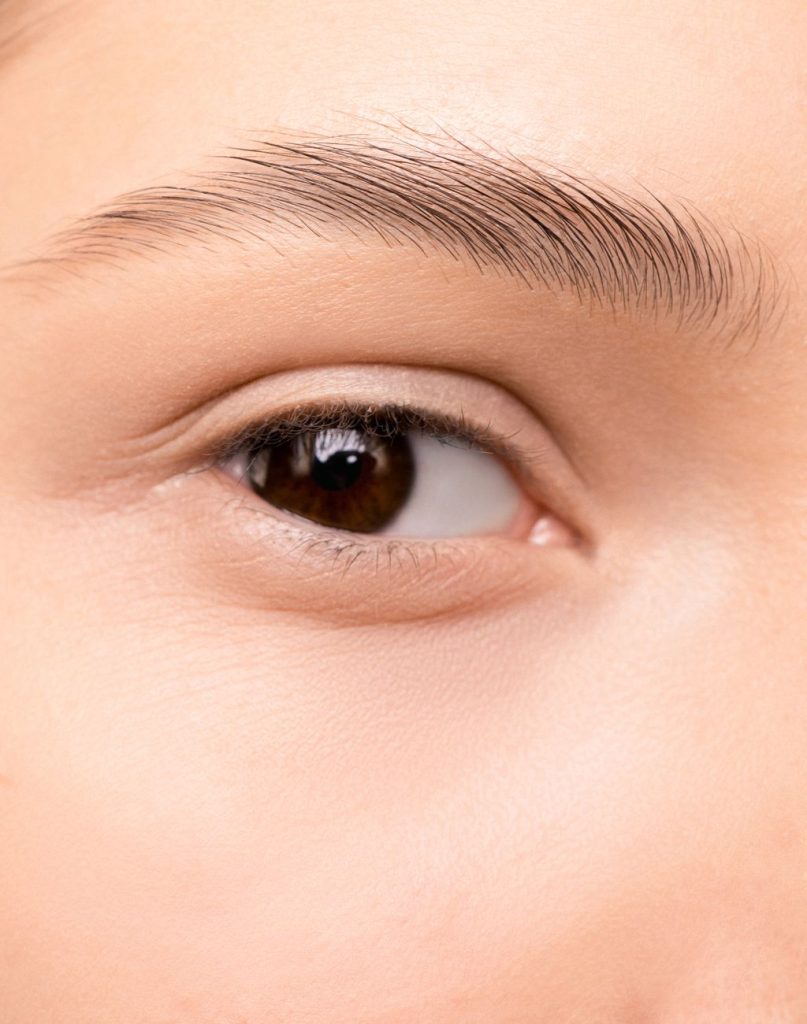
South Korea’s Supreme Court ruled on June 11, 2026, that cosmetic tattooing by non-physicians — including eyebrow and hairline work — does not constitute a medical procedure, upholding the acquittal of a tattooist identified only as “A” who had been charged with practicing medicine without a license. The decision applies a sweeping precedent set just weeks earlier and effectively dismantles a 34-year-old legal stance that had treated cosmetic tattooists as unlicensed medical practitioners.
The defendant had performed eyebrow and hairline tattoos for clients on 14 occasions over roughly two months in 2019, earning about 2.19 million won (around $1,600). Prosecutors argued that, as a non-physician acting for profit, A was illegally engaged in a medical act under South Korea’s Special Act on Public Health Crimes. Both the trial court and the appeals court had already acquitted A before the case reached the Supreme Court’s Third Division, presided over by Justice Roh Kyung-pil.
A 34-Year Precedent Overturned
The ruling leans directly on a decision handed down on May 21 by the Supreme Court’s Grand Bench — the full panel of justices reserved for the most significant or precedent-changing cases. In that case, involving a cosmetic-business operator surnamed Park, the court overturned a fine and declared that “tattooing may be performed by medical professionals, but it is ordinarily performed by non-professionals,” concluding that “routine cosmetic tattooing by non-physicians does not amount to unlicensed medical practice.”
That judgment reversed a rule in place since May 1992, when the Supreme Court first classified eyebrow tattooing as an unlicensed medical act. For more than three decades, that interpretation meant tattooists without a medical license could be criminally prosecuted — even for routine semi-permanent makeup.
Why the Lower Courts Agreed
The earlier rulings in A’s case foreshadowed the change. The trial court found that eyebrow tattooing served no purpose tied to “the prevention, diagnosis, or treatment of disease or public-health guidance,” nor was it the kind of act that “would pose a health or hygiene risk unless performed by a medical professional.” On that basis, it concluded the work was not a medical act at all.
The appeals court went further, describing a “medical act” as a flexible concept that evolves “with the advance of medicine, the development of society, and the awareness and demands of those who use medical services.” Given how thoroughly semi-permanent makeup has become normalized in Korean society, the court reasoned, it could no longer reasonably be treated as medicine.
With the Supreme Court’s confirmation, the acquittal is now final, cementing legal protection for an industry that for years operated in a gray zone of routine but technically criminal practice.