Why it matters. Nvidia's chips dominate global AI, so where it places research operations signals which economies it sees as strategic partners in the next phase of AI development.
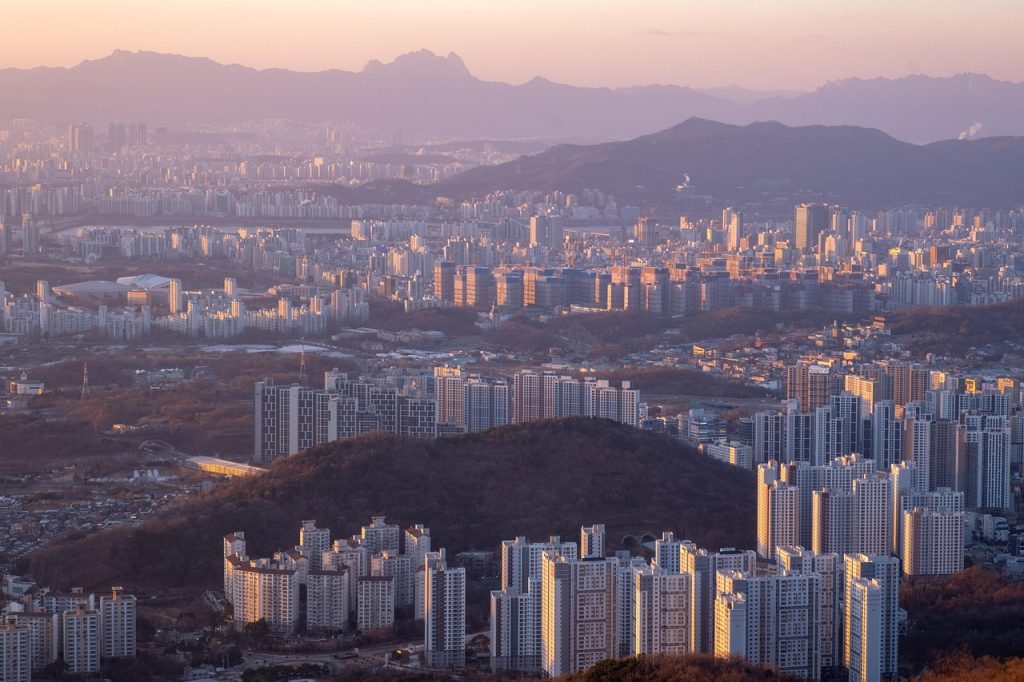
Background. South Korea is a manufacturing and robotics powerhouse, home to giants like Samsung and Hyundai, and its government has actively courted foreign tech investment. Jensen Huang, Nvidia's Taiwanese-American CEO, is among the most influential figures in the AI industry, and his visits draw intense media attention across Asia. Gimpo International Airport, where he landed, primarily serves domestic and short-haul international flights near central Seoul.
What to watch next. Watch for Nvidia to name a host city, disclose hiring numbers, and reveal which Korean firms it will partner with on robotics and physical AI.
Nvidia Confirms a Korean Research Hub
Nvidia, the U.S. chipmaker at the center of the global artificial-intelligence boom, is establishing a research and development center in South Korea and has already started recruiting staff for it. CEO Jensen Huang announced the plan to reporters on June 5 shortly after arriving at Gimpo International Airport in Seoul, formally confirming what local media had previously reported as ongoing talks with the Korean government.
“We have brought a lot of business and a lot of work to Korea,” Huang said, adding that Nvidia has “started operating an R&D center” in the country. The move marks a significant deepening of the company’s footprint in one of the world’s most important hardware-manufacturing economies.
Why South Korea
Huang framed the country as an ideal location for the investment, citing two strengths in particular: a deep pool of advanced AI expertise and a highly developed robotics sector. “Korea is well known as a world-class manufacturing powerhouse,” he said, suggesting the center would explore combining the nation’s robotics capabilities with what he called “physical AI” — a term for artificial intelligence embedded in machines that sense and act in the real world, such as robots and autonomous systems, rather than software that only processes data.
That pairing reflects a broader industry shift. As AI moves beyond chatbots and data centers into factories, vehicles, and humanoid robots, hardware-rich countries like South Korea — home to major manufacturers and a dense supplier base — become strategically valuable to companies designing the chips that power those machines.
Hiring First, Office Later
Asked how many people Nvidia plans to hire and where the new site would be located, Huang said the company would build out a physical office in earnest “as soon as the specific personnel we need are secured.” He expressed no concern about the logistics of construction, praising South Korea’s track record in building infrastructure. “Korea is so exceptionally capable at constructing fine buildings that, when it comes to building out infrastructure, I have no worries at all,” he said.
Huang did not specify a headcount target, a timeline, or a city for the future office, indicating that recruitment will drive the pace of the center’s development. The announcement nonetheless signals that the project has moved from government discussion into active execution.