Why it matters. Period poverty—being unable to afford menstrual products—is a global issue, and South Korea's state-funded pilot offers a concrete policy model that other countries weighing similar programs may study.
Background. South Korea's Ministry of Gender Equality and Family oversees women's, youth and family policy and has been a politically contested body; its budget and even its existence have been debated in recent years. The free-pad issue gained national attention in 2016 after reports that some low-income teenage girls used shoe insoles or tissue in place of pads, prompting cities like Seoul to fund products in schools. Korea's districts are governed at the city, county ('gun') and ward ('gu') level, which is why the 12 pilot sites are a mix of those administrative units.
What to watch next. If usage and satisfaction data from the pilot are strong, the ministry plans to scale 'Everyone's Pads' to a nationwide rollout from 2027.
Free Menstrual Pads Coming to Public Spaces Nationwide
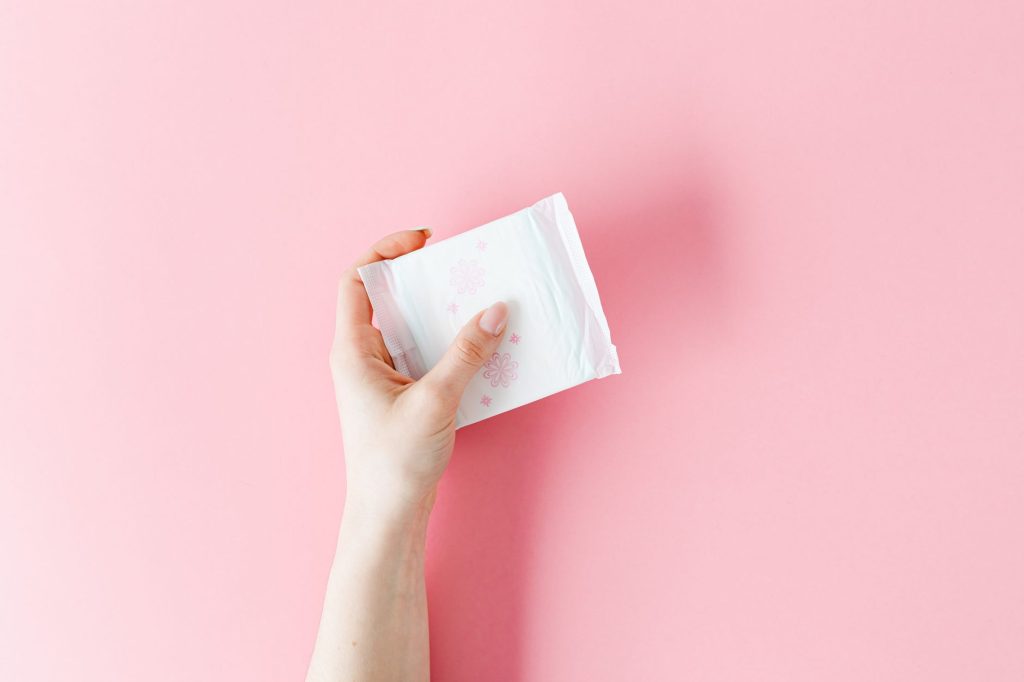
South Korea will begin distributing free menstrual pads at public facilities in 12 cities and districts across the country starting in July, the Ministry of Gender Equality and Family announced on June 9. The pilot program, branded “Everyone’s Pads” (모두의 생리대), aims to make period products freely accessible in everyday public settings.
The selected pilot areas span the country: the Gwangjin and Eunpyeong districts of Seoul; Gwangmyeong and Suwon in Gyeonggi Province; Seocheon County in South Chungcheong; the Jung District of Daejeon; Jeongeup in North Jeolla; Mokpo in South Jeolla; the Buk District of Gwangju; Gumi in North Gyeongsang; Geochang County in South Gyeongsang; and Jeju City on Jeju Island. The Ministry of Gender Equality and Family is the government department responsible for women’s, youth and family policy.
How the Program Works
Each pack will contain two medium-sized pads in compact packaging, dispensed from dedicated machines. From July, roughly 700 dispensers will be installed and operated in the pilot regions. Locations include community service centers and public libraries, areas near busy transit stations and commercial buildings, university neighborhoods with concentrations of young single-person households, and facilities inside industrial complexes.
The dispensers come in two types. About 300 will be simple, non-powered manual dispensers that are easy to install and maintain. The remaining 400 or so will be automated, internet-connected (IoT) vending-style machines capable of tracking usage and managing inventory. To prevent over-collection, the automated units space button presses up to 20 seconds apart so users take only what they need, and they include voice guidance to improve accessibility for visually impaired users.
Detailed maps of where each dispenser is located will be available on the ministry’s website and on each local government’s website from July.
A Pilot With National Ambitions
The government is framing this as a trial run. Officials said they will analyze usage figures, the policy’s effectiveness and on-site satisfaction, and plan to expand the program nationwide from next year based on the results.
The initiative reflects a broader push in South Korea to treat menstrual products as a basic necessity rather than a discretionary expense, building on earlier local-government efforts to provide free pads in schools and public buildings.