Why it matters. Kakao runs KakaoTalk, the messaging app used by nearly all South Koreans, so a labor revolt at the firm is a rare crack in one of the country's most powerful tech empires.
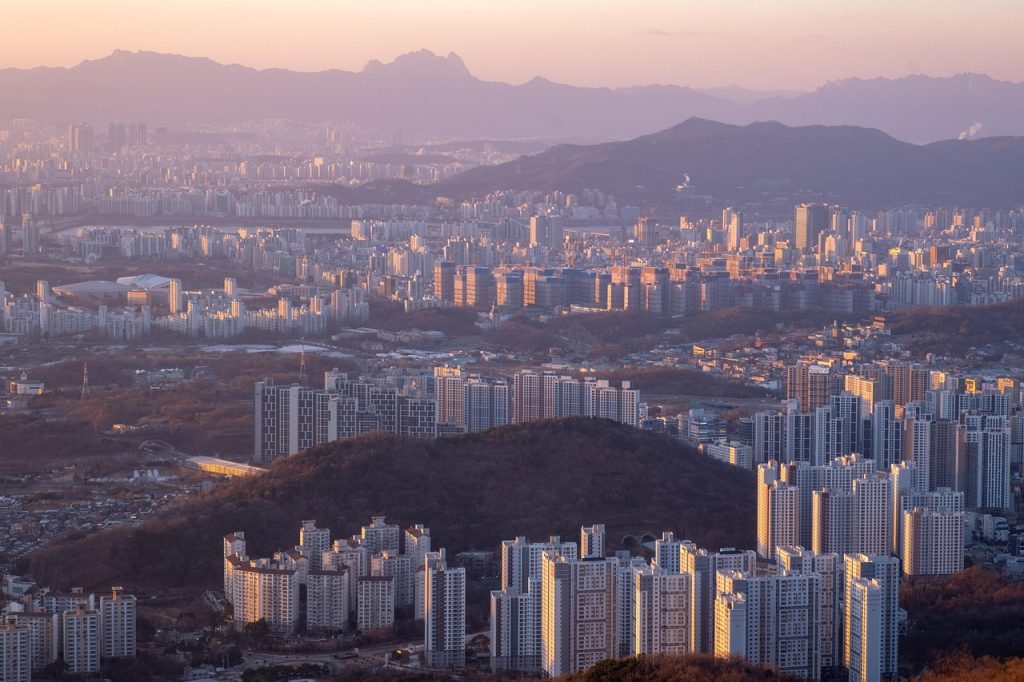
Background. Kakao is a sprawling internet conglomerate based in Pangyo, often called South Korea's Silicon Valley. Korean tech firms increasingly use restricted stock units (RSUs) as compensation, and a long-running public backlash over executive pay and aggressive corporate expansion has made employee compensation a charged issue at Kakao.
What to watch next. Watch whether the larger second strike planned for the 29th forces management back to the bargaining table over bonus terms.
Kakao, the South Korean internet giant behind the country’s dominant KakaoTalk messaging app, faced the first strike in its history on June 10, as roughly 600 unionized workers staged a partial walkout and marched through the Pangyo tech district south of Seoul to protest the company’s performance-bonus system. The action followed months of failed wage negotiations and a collapsed mediation process.
What happened
The Kakao branch of the Nationwide Chemical, Textile and Food Industry Workers’ Union held a partial strike from 10 a.m. to 3 p.m. — a stoppage the union describes as a four-hour partial action rather than a full walkout. Between 11:30 a.m. and 12:30 p.m., members wearing black T-shirts and carrying placards reading “Win job security” and “Out with irresponsible management” marched roughly 800 meters through Pangyo, in Seongnam, Gyeonggi Province. Outlets described the route slightly differently, with Kyunghyang Shinmun tracing it from Kakao’s Pangyo “Agit” headquarters to the Uspace building, and Hankyoreh placing the march between Pangyo Station plaza and H Square.
The walkout marked the first labor stoppage since the firm was founded in 2006 as IWILAB, Kakao’s predecessor. Five corporate entities took part: Kakao’s main holding company, KakaoPay, Kakao Enterprise, DK Techin and XL Games. The union had registered a rally for more than 2,000 people, but actual turnout was expected to reach about 600. Kyunghyang Shinmun separately reported that the union has already announced a second, larger strike for the 29th, with as many as 5,000 participants expected.
Why the workers walked out
At the center of the dispute is how Kakao calculates performance pay. Talks at the main company stalled over a proposal to pay bonuses worth 13–14% of operating profit, and over whether about 5 million won (roughly $3,600) in restricted stock units, or RSUs, should be counted as part of that bonus. The union is demanding cash bonuses of around 10 million won (about $7,000) — equivalent to that 13–14% share of operating profit — while insisting RSUs be excluded from the calculation. Management counters that the union’s demands would place a heavy burden on the business.
The union frames the fight in broader terms, arguing that years of corporate restructuring have squeezed rank-and-file compensation even as executive pay rose to what it calls excessive levels. Negotiations ran from late last year through last month without agreement. After talks broke down on the 7th of last month, the union filed for mediation with the Gyeonggi Regional Labor Relations Commission. Two mediation sessions, on the 18th and 27th, failed to resolve differences over the bonus structure. The union then secured the legal right to strike, and members approved the action in a ballot.
Impact and the road ahead
Kakao said it would keep its services running, with a company representative stressing that as “a platform company that connects the daily lives of countless users and supports the businesses of small merchants and partners,” it would “put in place the necessary response systems and do its best to maintain stable service operations.” Analysts and the union alike expect limited disruption to flagship services such as KakaoTalk from this partial strike.
The union has signaled it is pacing itself. On June 1, it said it would begin with a four-hour partial strike rather than an immediate full walkout, and decide whether to escalate based on how negotiations progress. The promised second strike on the 29th suggests the pressure campaign is set to intensify if the two sides remain deadlocked.