Why it matters. Aging populations are straining healthcare systems worldwide, and how a leading hospital in one of the fastest-aging nations adapts cancer care offers a preview of challenges other countries will soon face.
Background. South Korea crossed the threshold into a 'super-aged society' in late 2024, with over 20% of its population aged 65 or older — one of the fastest aging transitions ever recorded. Samsung Medical Center, run by the Samsung conglomerate's affiliated foundation, is among the country's most prominent tertiary hospitals and is often a bellwether for new clinical practices that later spread nationwide.
What to watch next. Watch whether the pilot's planned expansion to all patients aged 70+ proceeds on schedule by year-end and whether other major Korean hospitals adopt similar geriatric oncology programs.
A New Standard for Treating Older Cancer Patients
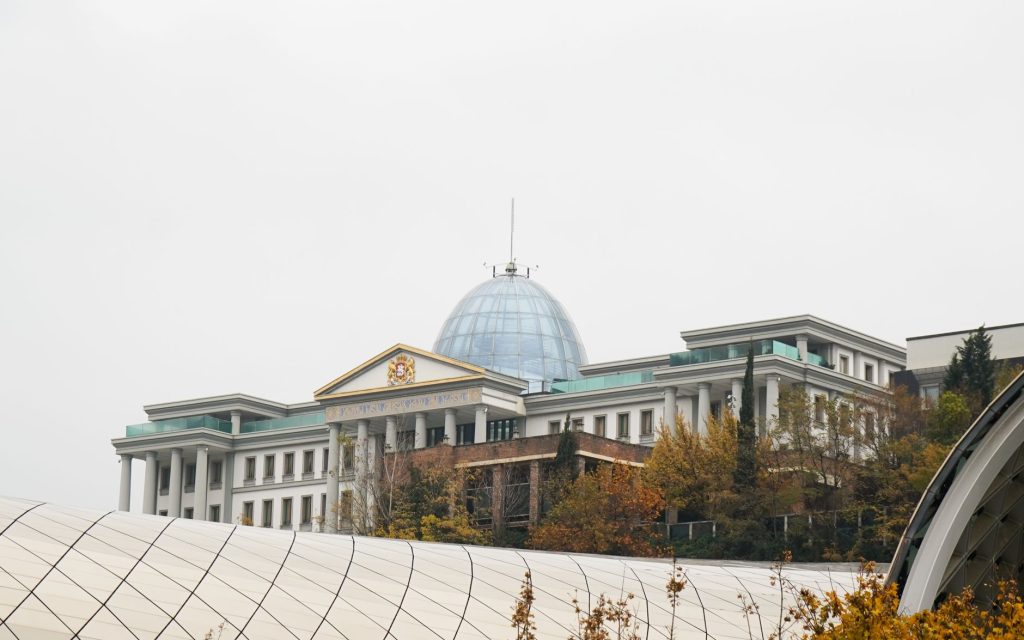
The Cancer Center at Samsung Medical Center, one of South Korea’s largest hospitals, announced on June 9 a new care model designed specifically for elderly cancer patients, called CCCS (Comprehensive Cancer Care for Senior). The program targets patients aged 70 and older who require surgery, using geriatric oncology to assess treatment risks and help them recover more safely.
The model is currently running as a pilot through the end of 2026. The hospital plans to expand it to all patients aged 70 and over as early as the close of this year.
Why Korea Needs It Now
The initiative is a direct response to South Korea’s rapidly aging population. In late 2024, the country officially became a “super-aged society” — the term used when people aged 65 and older make up more than 20% of the total population. As the overall population ages, the number of older cancer patients is rising in step.
The trend is already visible inside Samsung Medical Center itself. The share of cancer patients aged 65 and older treated at its Cancer Center climbed from 29% in 2008 to 40% in 2022 — a 1.4-fold increase in roughly a decade and a half.
How CCCS Works
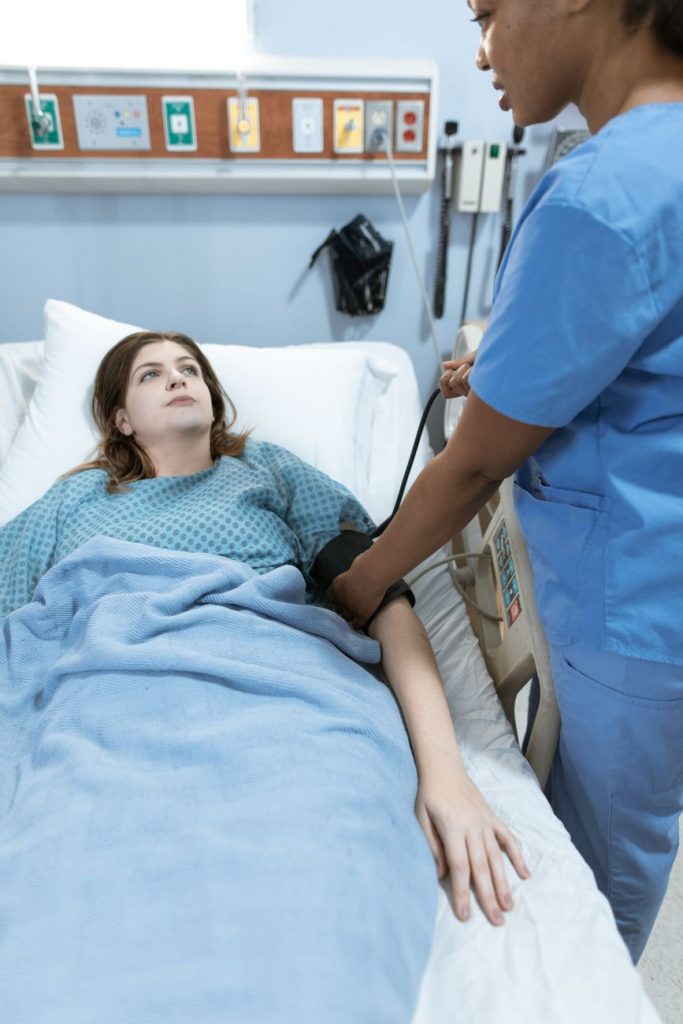
Under the new model, elderly patients scheduled for admission are evaluated in advance. Those flagged as high-risk receive additional consultation and assessment, followed by a tailored treatment plan. The program is built around several practical interventions:
- Medication review: Each patient’s current prescriptions are checked for unnecessary duplicate drugs or risky interactions, which are then adjusted.
- Fall prevention: Fall risk is measured so staff can provide close monitoring throughout the hospital stay.
- Mobility-based recovery plans: Walking speed is measured to gauge physical function and shape an individualized plan for faster recovery.
- Cognitive screening: Cognitive function is assessed alongside treatment, with a dedicated program to prevent delirium, a common and dangerous complication during hospitalization for older patients.
Following the Global Lead
Dr. Kim Hee-cheol, director of the Cancer Center and a professor of colorectal surgery, framed the move as Korea catching up with international practice. “Advanced countries such as the United States and those in Europe have already developed and implemented specialized treatment and research models for elderly patients,” he said. He added that, now that Korea has entered a super-aged society, Samsung Medical Center’s Cancer Center intends to lead in building “a new medical culture for elderly cancer patients.”