Why it matters. Food festivals like this one are how many Koreans encounter global cultures firsthand, and they reflect a growing push by Seoul districts to brand themselves around openness and diversity.
Background. Seongbuk District is home to an unusually high number of foreign embassies and ambassadorial residences, making it a natural host for an embassy-driven food event. District chiefs in South Korea are directly elected and serve renewable four-year terms, so a leader's re-election often determines whether signature local programs survive. The 8,000-won price cap is notable amid public sensitivity to inflated prices at Korean festivals.
What to watch next. With record embassy participation and new QR-payment systems, the festival is positioned to keep expanding its international scale in future years.
A Record Turnout in Northern Seoul
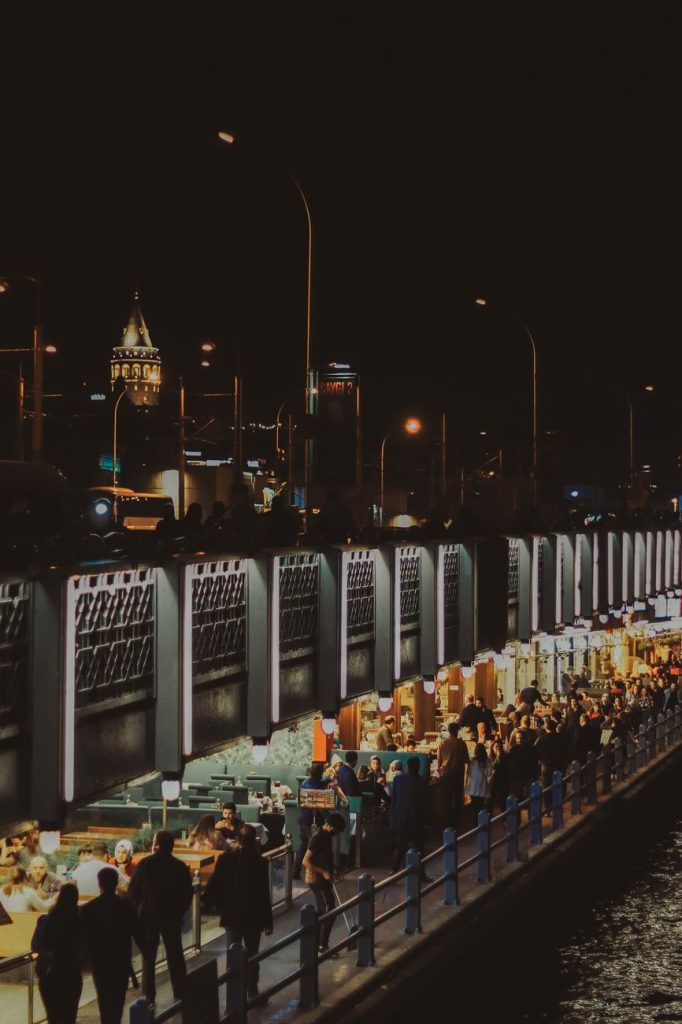
Crowds filled the streets around Seongbuk-ro in northern Seoul on June 7 for the 18th edition of the Seongbuk World Food Festival, known locally as Nurimasil, which this year reached its largest scale ever with embassies from 26 countries taking part. Visitors sampled traditional dishes from around the world and joined cultural programs at a festival the district government bills as its flagship celebration of cultural diversity.
Seongbuk is a district in Seoul that hosts a large concentration of foreign embassies and ambassadors’ residences, which helps explain why so many diplomatic missions joined the event. Each country ran a booth offering its own cuisine and cultural displays, turning the area into an open-air tour of global food traditions.
Parades, Performances and Affordable Plates
The festival opened with a parade themed “Find the Secret of Flavor,” featuring costumed characters including dancing gimbap ingredients — gimbap is a popular Korean dish of rice and fillings rolled in seaweed — alongside a chef character, circus-style acrobatics, and dance performances.
Organizers also kept the event accessible and environmentally conscious. Every food booth used reusable tableware to cut down on single-use waste, and a price ceiling kept all dishes at or below 8,000 Korean won (roughly six U.S. dollars). The festival introduced a QR-code-based ordering and payment system for the first time this year, which organizers said drew a strong response from visitors.
A District Built Around Diversity
Lee Seung-ro, the head of Seongbuk District who recently returned to office after winning a third term, described Nurimasil as “a signature cultural-diversity festival of Seongbuk that helps people understand and communicate with one another through the world’s varied foods and cultures.” He pledged to keep developing it into “a festival anyone can enjoy together” while sharing the value of cultural diversity.
In South Korea, district chiefs (gu heads) are directly elected local officials, and their re-election can shape which community programs continue. Lee’s return to office signals continuity for an event that has run for nearly two decades and has steadily grown in international participation.