Why it matters. South Korea is a bellwether for food and lifestyle trends across Asia, so its rapid mainstreaming of high-protein products signals where global wellness marketing and product development may head next.
Background. The "healthy pleasure" (헬시 플레저) concept blends Korean and English words to describe enjoying health rather than enduring it, and it has become a dominant marketing theme in Korea's food and beverage sector. The companies driving the protein race — Namyang, Maeil and Ildong — are long-established domestic dairy giants now pivoting toward functional nutrition as plain milk consumption declines amid a low birthrate.
What to watch next. Expect the protein-content escalation to continue spreading from drinks into everyday staples like bread and noodles, raising questions about whether such high single-serving doses are nutritionally necessary.
A nation reaches for protein
South Korea’s appetite for high-protein food and drink is surging, with dairy makers now selling beverages packing up to 60 grams of protein in a single bottle and fast-food chains rolling out protein-heavy breakfasts. The trend, reported by the Korean daily Hankyoreh on June 5, 2026, reflects a broader shift as health-conscious eating moves from gym enthusiasts to ordinary consumers.
For years, protein supplements were the domain of dedicated fitness buffs. But the rise of what Koreans call “healthy pleasure” — the idea of pursuing health and enjoyment at the same time — has turned daily protein intake into a mainstream habit. Manufacturers across the food industry are racing to meet the demand.
Fast food joins the morning rush
The shift has reached the breakfast counter. McDonald’s Korea announced it will launch two new items on June 11: the Grilled Chicken Morning Burger and the Double Grilled Chicken Morning Burger, both built around a grilled chicken breast patty. The single and double versions contain 19 grams and 30 grams of protein respectively — roughly three to five times the protein in a single egg, which has about 6 grams. The company says the menu was designed for customers who want a quick breakfast without sacrificing nutrition.
The market behind this trend has expanded dramatically. According to the Korea Agro-Fisheries & Food Trade Corporation, a state-run agency, the domestic protein food market grew more than fivefold — from 81.3 billion won (about $59 million) in 2018 to 450 billion won (about $327 million) in 2023. It is expected to reach roughly 800 billion won (about $580 million) this year.
An arms race in the drinks aisle
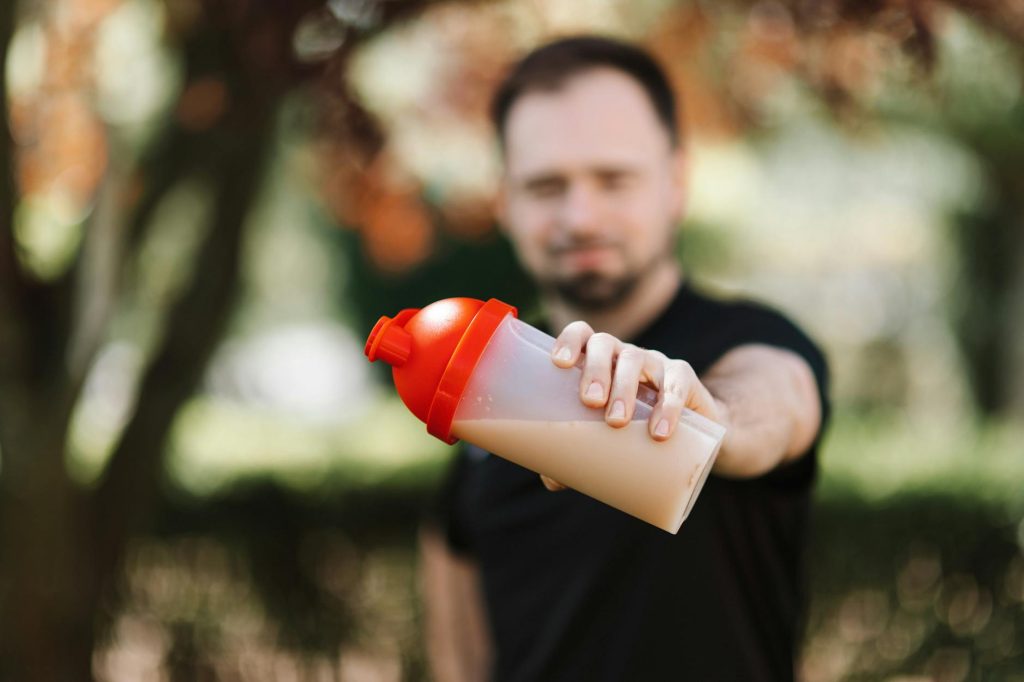
The fiercest competition is in beverages, where dairy companies are leapfrogging one another on protein content. Last month, Namyang Dairy Products released “Take Fit Extreme” with 60 grams of protein per serving. In the same month, Ildong Foodis launched “Hi-Myune Ultra 49g Black Choco” at 49 grams, while Maeil Dairies introduced “Selex Pro-Fit Sports Wild Choco” with 45 grams in April. Early protein drinks typically offered just 10 to 20 grams; today’s products push into the 40-to-60-gram range.
The high-protein push extends well beyond drinks into convenience meals, noodles and bread. Food maker Ottogi launched two high-protein chicken-breast burritos with 15 grams of protein each in late April, and the dessert brand Nuldam recently released a low-sugar “chewy bread” containing 11 grams.
With consumers increasingly reading nutrition labels for protein first, manufacturers show little sign of easing the competition.