Why it matters. Beneath a gentle travel diary sits a genuine political story: two long-loyal coastal cities flipping party allegiance signals how local voting patterns in conservative-leaning regions of South Korea can shift.
Background. South Korea revived local self-government in 1995, and many regions have voted reliably for one political camp ever since; Gangwon Province's east coast has leaned conservative for decades. OhmyNews is a pioneering citizen-journalism outlet where ordinary readers publish first-person reportage. Jeongdongjin is a nationally famous sunrise destination, reflecting how Korean geography is often framed relative to the capital, Seoul.
What to watch next. Whether the newly elected mayors of Donghae and Gangneung deliver visible change will test if this is a one-off swing or a lasting realignment on Korea's east coast.
A coastal diary from Korea’s East Sea
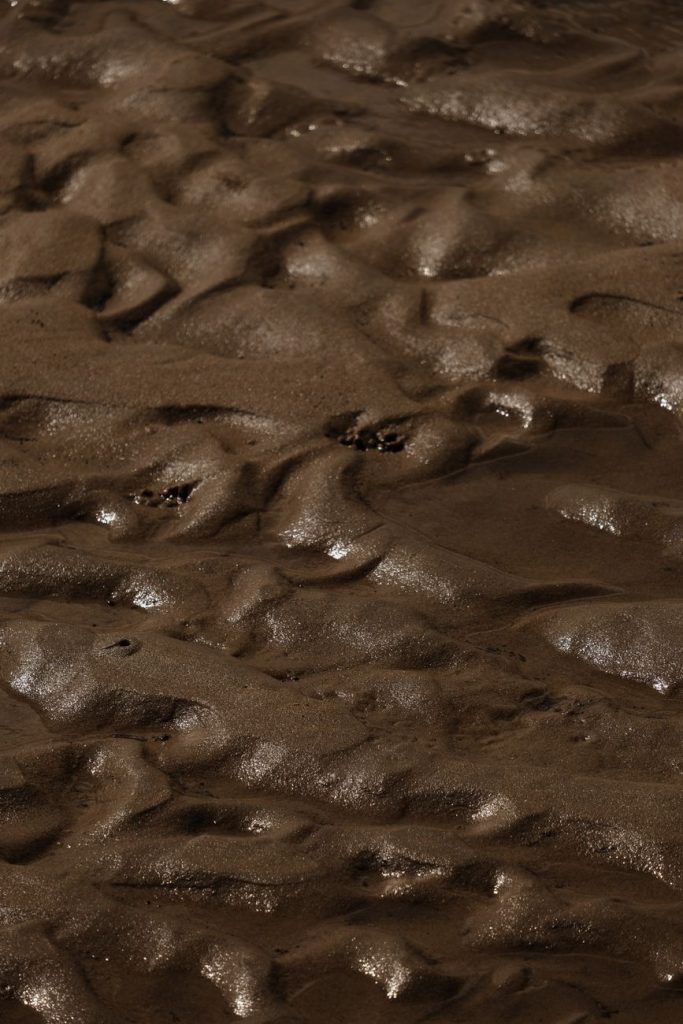
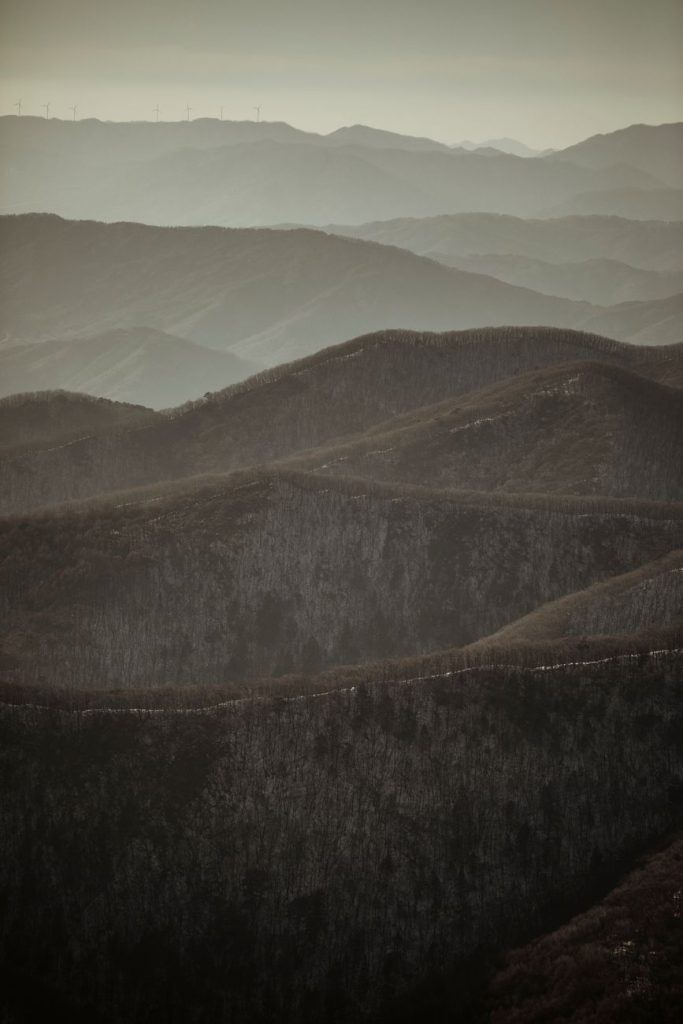
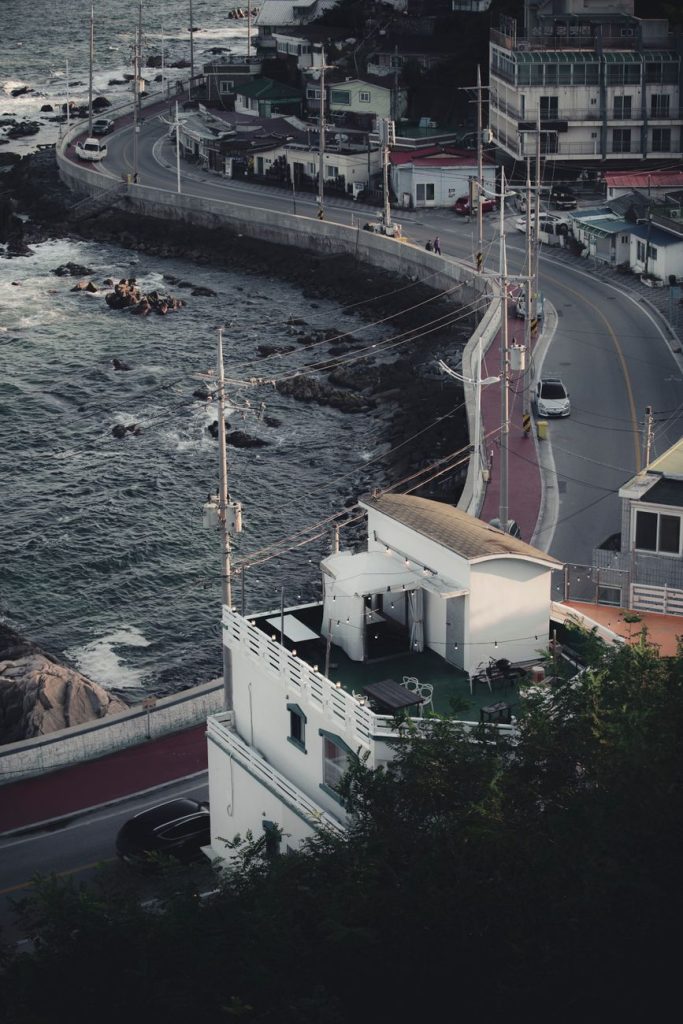
In the seaside city of Donghae, on South Korea’s east coast, a local resident spent the days around the June 3 national vote cycling along the shore, reading on the beach, eating raw-fish soup and watching a quiet political change unfold. His firsthand account, published by the citizen-journalism outlet OhmyNews, weaves everyday coastal life together with the region’s history and a notable election result.
The writer describes voting early on June 3 alongside his wife — turnout was brisk, with long lines by 6 a.m. — before riding his bicycle to nearby Simgok Port. Living by the East Sea, he says, means the ocean is always close: mornings for cycling, afternoons for a traditional five-day market and a book on the sand.
Two very different beaches
He contrasts two stretches of the same coast. Mangsang is known for its broad white-sand beach, while Chuam is famous for dramatic rock formations rising from the surf. Chuam’s most celebrated outcrop, Neungpadae, was named by Han Myeong-hoe, a powerful 15th-century statesman of the Joseon Dynasty, who likened the waves brushing the rocks to the graceful steps of a beautiful woman. His essay praising the scene — comparing it favorably to other renowned coastal sites — still hangs in a pavilion there.
The piece also touches a quirk of Korean geography. Markers around Donghae advertise being “due east” of Seoul, a nod to the nearby sunrise spot Jeongdongjin, whose name literally means “due-east port.” The writer notes, with some irony, that Chuam is actually due east of Namhansanseong, not Seoul — and that modern measurements place the true east of Seoul’s Gyeongbokgung Palace slightly south of Jeongdongjin.
Fresh fish, strong surf, and a political shift
Coastal living also means easy access to fresh seafood. Searching for mulhoe — a cold, tangy raw-fish soup — he found prices around 20,000 won (about $15) in Gangneung’s Okgye area and roughly 15,000 won farther south in Donghae. A local-recommended restaurant served a generous bowl with twelve side dishes and a bean-sprout soup kept bubbling on a burner at the table; alternating the cold broth with the hot soup, he writes, was a perfect pairing.
On June 6 — a Saturday and Memorial Day, a national holiday honoring Korea’s war dead — strong winds kicked up swells, drawing surfers to beaches like Daejin and Okgye. Overheard on his ride that day: talk of the election.
The result was striking. Like neighboring Gangneung, Donghae had elected mayors from the same political camp continuously since local self-government began in 1995. This time, both cities chose candidates from a different party — a first for the region. The writer closes by hoping the new mayor will govern with the people in mind, half-jokingly recommending a careful reading of the Analects of Confucius, on the grounds that the essence of politics still lies in people.