Why it matters. Transit data offers a hard, measurable read on how the pandemic permanently reshaped urban behavior—and Seoul, one of the world's most subway-dependent cities, is a revealing test case for changes also unfolding in other global capitals.
Background. South Korea historically had one of the world's most intense after-work drinking cultures, anchored by hoesik—company dinners where attendance was effectively expected and rounds of soju ran late. Seoul's subway is the backbone of daily life for a metro area of over 20 million people, so its ridership patterns are a sensitive barometer of social habits. The 'sober life' (sober-curious) movement gaining traction among younger Koreans signals a generational break from that drinking-centric norm.
What to watch next. Seoul Metro plans to use these patterns to adjust train frequency and congestion management by time of day, which could eventually reshape late-night service levels.
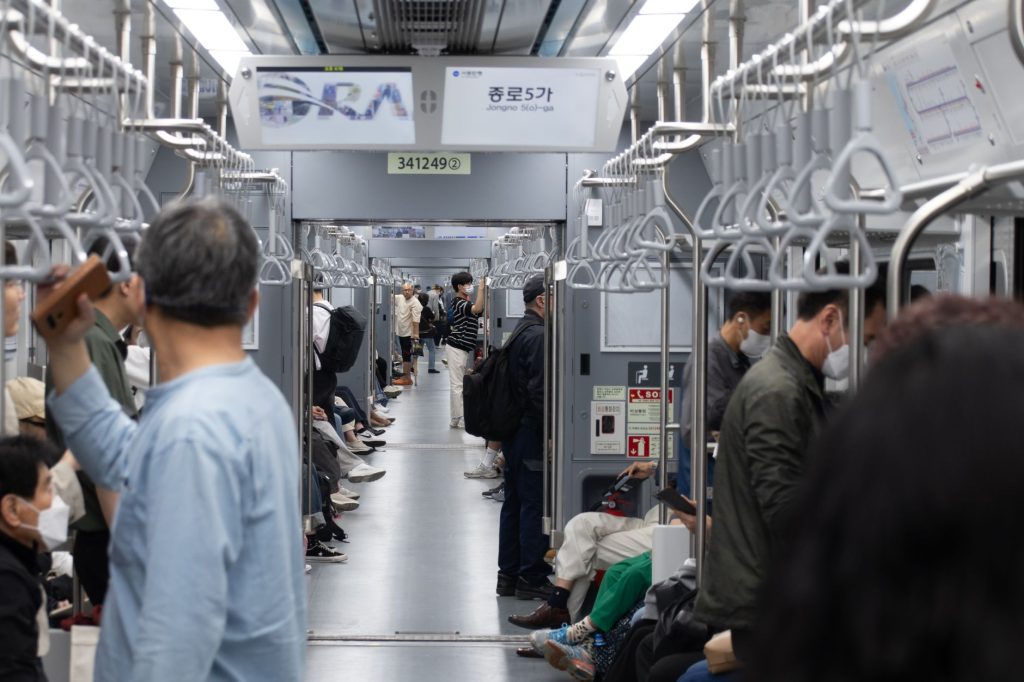
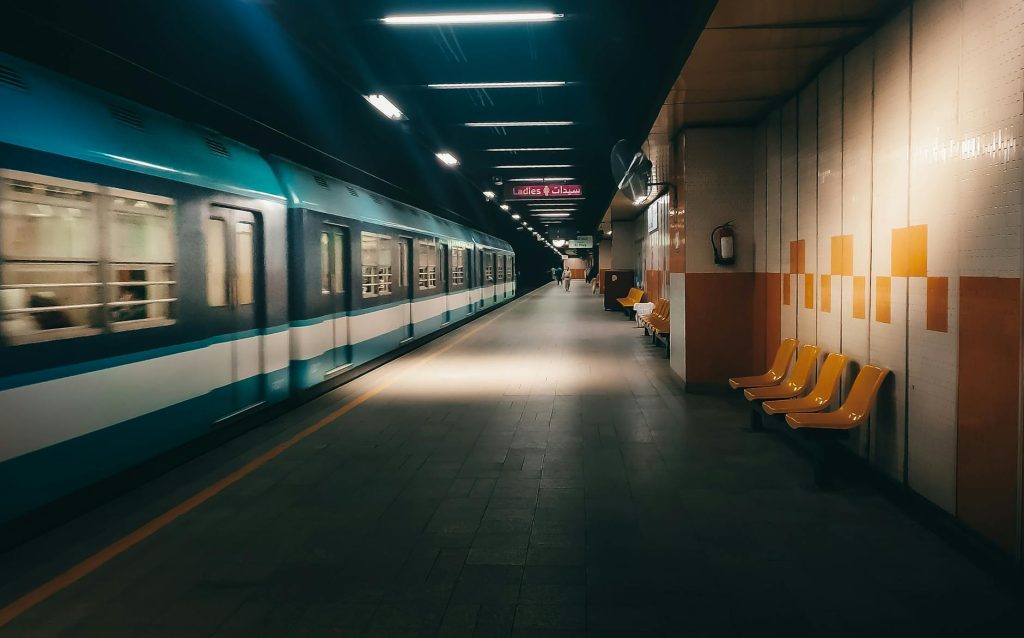
Seoul’s late-night subway ridership has fallen roughly 24% over six years, with the city’s transit authority pointing to lasting lifestyle changes after the COVID-19 pandemic that have shrunk after-dark activity. The figures, released on June 5, 2026, by Seoul Metro, compare weekday travel before and after the pandemic.
The Numbers
According to Seoul Metro—the public corporation that operates most of the capital’s subway network—an average of 15,653 passengers rode the system on weekdays after midnight last year. That is down 23.7% from 20,516 in 2019, before the pandemic.
The drop in late-night travel far outpaces the decline in overall ridership. Total weekday passenger volume slipped just 7.5% over the same period, from about 5.48 million to 5.07 million per day. In other words, Seoulites are still riding the subway in large numbers—just not as often in the small hours.
Where the Night Crowds Thinned
The pullback is clearest in Seoul’s busiest commercial and entertainment districts. The station with the most late-night boardings last year was Gangnam—the affluent business and nightlife hub south of the Han River, made globally famous by the 2012 hit “Gangnam Style”—with a daily average of 599 riders. It was followed by Hongik University (Hongdae) at 590, a district known for indie music and youth clubs; Jamsil at 483; Konkuk University at 443; and Hapjeong at 428.
The decline is striking when set against 2019, when the top five late-night stations were Gangnam (1,109), Hongik University (830), Konkuk University (708), Sadang (571), and Sinchon (500). Gangnam held the No. 1 spot in both years, but its late-night boardings collapsed by 46% over the six-year span.
Why Seoulites Are Heading Home Earlier
Seoul Metro attributed the shift to changing habits since the pandemic. “In the past, there was strong demand for night-centered travel—company dinners, drinking gatherings and late-night meetups,” the corporation said. “Recently, with the spread of remote work and a settled culture of going home early, ‘daily-life-centered travel’ has increased.”
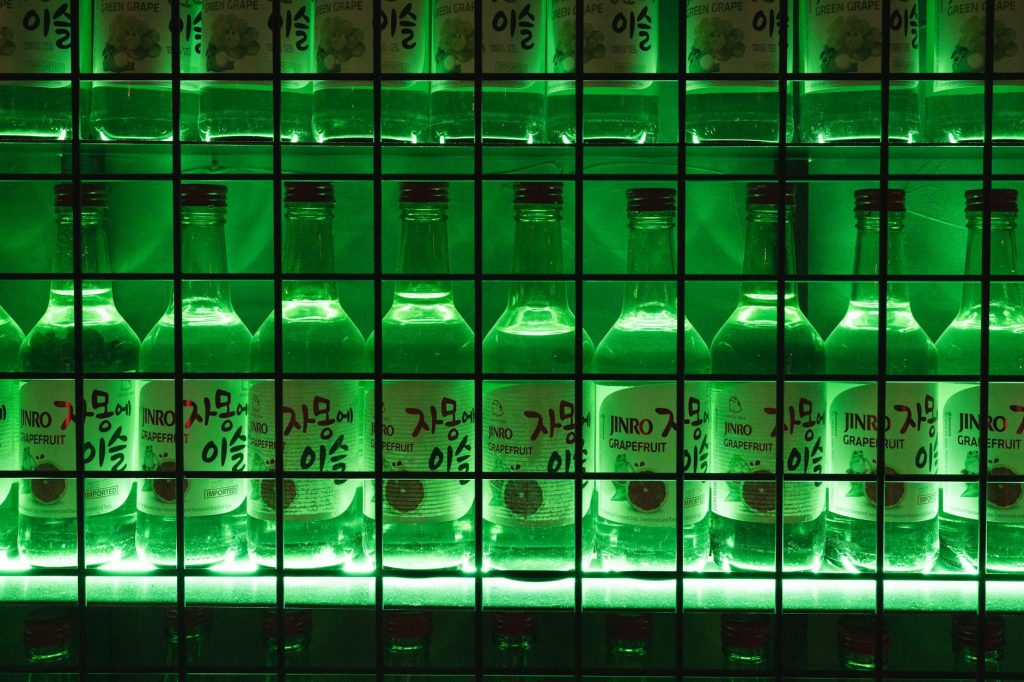
The authority also cited the rise of the so-called “sober life” trend, increasingly popular among younger Koreans, who are choosing to drink less or not at all. That marks a notable cultural shift in a country long known for its heavy after-work drinking culture, including the customary hoesik—mandatory team dinners that often stretched late into the night.
What Comes Next
Seoul Metro says it will keep analyzing commuter demand and lifestyle patterns to manage congestion by time of day and tailor its transport services. “We plan to continuously strengthen services that consider both operational efficiency and safety in line with changes in transport demand,” said Ma Hae-geun, head of the corporation’s business operations division.