Why it matters. It signals how far South Korea is willing to extend its hard-line anti-drug stance into routine government hiring, a model other countries may watch as drug policy debates intensify worldwide.
Background. South Korea long branded itself a 'drug-free' nation with severe penalties for even small offenses, but officials have warned of rising narcotics cases in recent years. The Ministry of Personnel Management is the central body governing how the country's roughly one million civil servants are recruited and managed, so a rule it sets applies nationwide. Police and firefighters were already screened because of the safety-sensitive nature of their work.
What to watch next. Watch whether the expanded screening surfaces meaningful numbers of disqualified candidates and whether testing is later extended to incumbent officials, not just new hires.
South Korea will require all civil-service exam passers to undergo a mandatory drug screening before they can be hired, after the Cabinet approved a revised regulation on June 9, 2026. The new rule, announced by the Ministry of Personnel Management, extends drug testing that previously applied only to police and firefighters to nearly all government recruits.
What the New Rule Requires
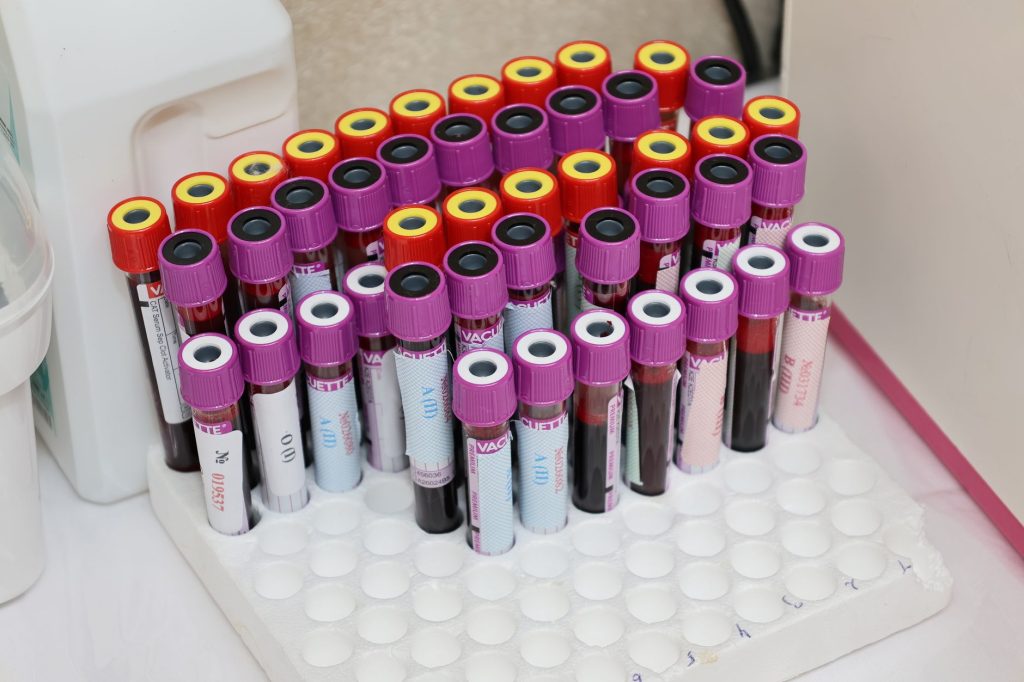
Under the amended Regulation on Physical Examinations for Civil Service Recruitment, final candidates who pass the civil-service exam must take a drug test as part of their pre-appointment medical examination. The screening covers six controlled substances — methamphetamine, cannabis, opium, cocaine and related drugs — the same panel already used when hiring police officers and firefighters.
Candidates must receive a passing result on the medical examination, including the drug screen, in order to be formally appointed. A failed result would block their entry into public service.
Closing a Gap in the Hiring Process
The Ministry of Personnel Management — the central agency that oversees recruitment, pay and personnel policy for South Korea’s civil servants — said the change is designed to keep illegal drugs out of the public sector before they can enter. Until now, drug testing was carried out only for certain specialized roles, chiefly in policing and firefighting. General administrative officials and foreign-service (diplomatic) officials were not screened.
The revision brings those two large categories — general-service and foreign-service civil servants — into line with the stricter standard already applied to public-safety personnel. In effect, it makes drug screening a uniform requirement across virtually all entry-level government hiring.
When It Takes Effect
The amendment will be promulgated one week after the Cabinet’s approval and will take effect from that date. It will apply to everyone who passes their civil-service exam after the rule comes into force, meaning current and future candidates from that point onward will be subject to the new screening.
South Korea has historically maintained some of the world’s toughest anti-drug laws, and government messaging in recent years has emphasized cracking down on what officials describe as a rise in narcotics offenses. Extending mandatory testing to the broader civil service reflects that wider policy posture, applying it to the people who staff the country’s ministries and overseas missions.