Why it matters. Cheomseongdae is one of the oldest surviving astronomical observatories on Earth, making it a globally significant heritage site that international travelers may not yet know.
Background. Gyeongju was the capital of the Silla Kingdom (57 BCE–935 CE) and is one of South Korea's richest historical destinations, packed with UNESCO-listed sites. Haejangguk is a category of Korean 'hangover soups' that vary by region; the closure of all but one shop on a once-famous soup street reflects a broader decline of old local food districts as Korea modernizes and younger generations move to big cities.
What to watch next. Gyeongju's seasonal flower plantings draw growing numbers of domestic and international visitors, reinforcing the ancient city's appeal as a year-round cultural tourism destination.
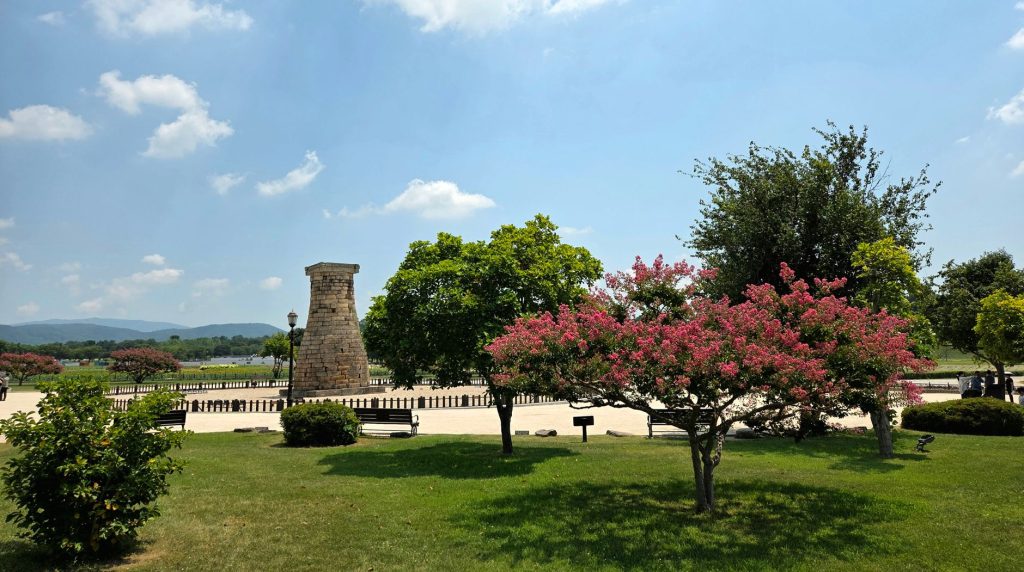
A traveler visiting Cheomseongdae, the ancient stone observatory in Gyeongju, South Korea, on June 9 found its surrounding flower garden in full, colorful bloom — a welcome burst of color during the quiet gap between spring and summer flowers.
For flower lovers, early June can be a lull. Most spring blossoms have faded, and even roses — often called the queen of May — are past their peak. Summer flowers like hydrangeas and lotuses have not yet opened. The flower beds around Cheomseongdae, however, are kept planted year-round, offering color when little else is blooming.
A Garden in Full Color
Walking toward the monument, the visitor described being met by a riot of blossoms. Among them were white gaura (sometimes called the whirling butterfly flower), field poppies, hollyhocks, Madagascar periwinkle, globe amaranth, and verbena — each in vivid display. The garden, set against open sky and the grassy plain of the old royal capital, has become a popular photo spot for travelers and locals alike.
The World’s Oldest Surviving Observatory
At the center stands Cheomseongdae itself. Built in the 7th century during the Silla Kingdom, the bottle-shaped stone tower is widely described as the oldest surviving astronomical observatory in the world. It is designated National Treasure No. 31 of South Korea. Gyeongju, in the country’s southeast, served as the Silla capital for nearly a thousand years and is often called a “museum without walls” for its dense concentration of tombs, temples, and royal-era relics.
A Vanishing Local Tradition
The writer paired the visit with a stop at a haejangguk restaurant in Gyeongju’s Hwango-dong neighborhood. Haejangguk is a hearty Korean soup traditionally eaten to ease a hangover or simply as a warming meal. This version was made with soybean sprouts, served alongside buckwheat jelly and a little ripe kimchi, and topped with mojaban (a type of edible seaweed).
The dish carries its own quiet history. The area was once famous as the Paryujeong haejangguk street, lined with around a dozen soup houses. Today, only a single restaurant remains, keeping the tradition alive — a small but telling example of how long-running local food culture can fade as times change.
For the visitor, the day was ultimately a happy one, spent among bright flowers beside one of Korea’s most enduring ancient landmarks.