Why it matters. These mudflats are an irreplaceable refueling stop for endangered migratory birds traveling between East Asia and Australasia, so their protection has consequences far beyond Korea's coastline.
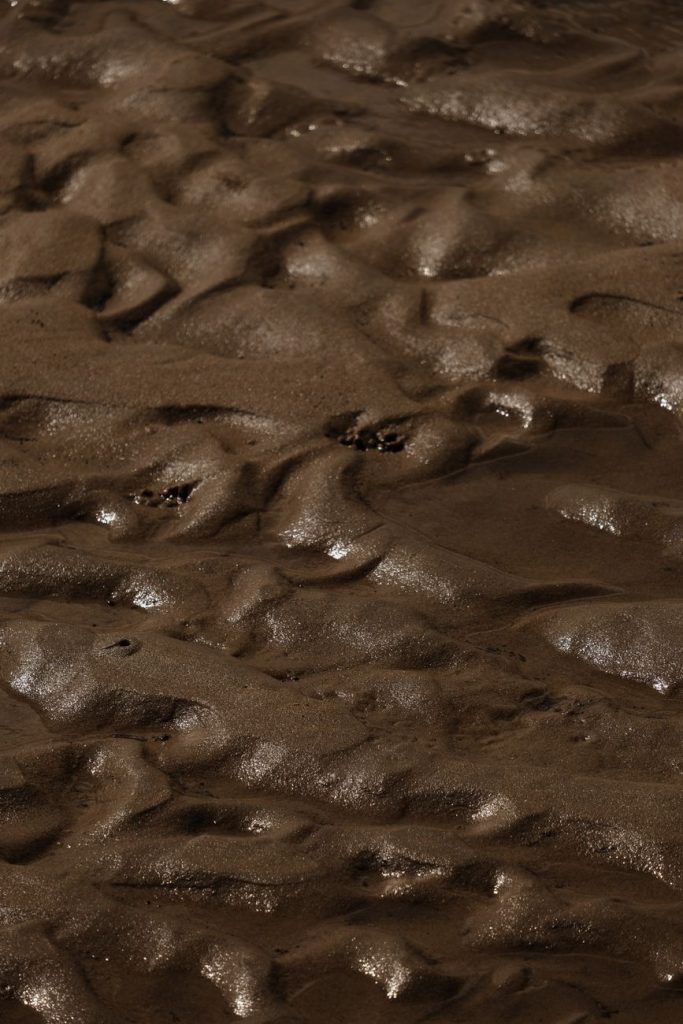
Background. 'Getbol' is the Korean word for tidal flats, the broad mud expanses exposed at low tide along the country's southwestern coast. UNESCO World Heritage status is decided in stages: an advisory body like the IUCN screens nominations first, and its recommendation to 'inscribe' is almost always rubber-stamped by the full committee. South Korea is hosting this year's committee session in Busan, its second-largest city.
What to watch next. The 48th World Heritage Committee meets in Busan in July 2026 and is expected to formally approve the expansion.
What’s happening
South Korea’s tidal flats — known locally as getbol — are poised to expand their UNESCO World Heritage status after an international advisory body recommended approval on June 5, with a final decision expected at a UNESCO committee meeting in Busan this July. The recommendation would add four new coastal areas — Seosan in South Chungcheong Province and Goheung, Muan and Yeosu in South Jeolla Province — to a site first inscribed in 2021.
The recommendation came from the International Union for Conservation of Nature (IUCN), the advisory body that vets natural-heritage nominations for UNESCO’s World Heritage Committee (WHC), according to Korea’s Korea Heritage Service. The IUCN endorsed “Getbol, Korean Tidal Flats Phase II” and urged the committee to approve a “significant boundary modification” that would substantially redraw the existing World Heritage boundaries.
Why the tidal flats matter
The getbol are vast intertidal mudflats along Korea’s southwestern coast that are exposed at low tide and submerged at high tide. They host some 2,000 species, including endangered migratory birds, and serve as a critical stopover on the East Asian–Australasian Flyway, the migration route linking East Asia to Australasia. The IUCN found that Phase II meets World Heritage inscription criterion 10 — the importance of biodiversity and the conservation of endangered species — describing the flats as among the most significant natural habitats for the in-situ conservation of biological diversity.
The site was first inscribed in 2021 at the 44th session of the World Heritage Committee, when four areas were recognized: the Seocheon, Gochang, Sinan and Boseong-Suncheon mudflats. At that time, the committee itself recommended a second-phase expansion to strengthen the property’s Outstanding Universal Value (OUV), the benchmark UNESCO uses to justify World Heritage listing.
What the expanded site would include
If Phase II is confirmed, “Getbol, Korean Tidal Flats” would grow to six components spanning the country’s southwestern coast: the Boseong-Suncheon-Yeosu-Goheung flats, the Sinan-Muan Tando Bay flats, the Muan Hamhae Bay flats, and the Gochang, Seocheon and Seosan flats.
The IUCN paired its recommendation with conditions. It urged Korea to keep analyzing additional tidal areas of potential Outstanding Universal Value and to secure local community support, to ensure that traditional fishing and tidal-harvesting practices are passed down sustainably, and to strengthen international cooperation with neighboring states to protect the Yellow Sea ecosystem and key habitats along the migratory flyway.
How the outlets framed it
Coverage was largely aligned, reflecting a shared government briefing. The Hankyoreh kept its account tightly focused on the four newly nominated areas and the expansion mechanics. Kyunghyang Shinmun placed the news in a broader national context, noting that South Korea holds 17 World Heritage properties in total — beginning in 1995 with Seokguram Grotto and Bulguksa Temple, the Janggyeong Panjeon depositories at Haeinsa Temple, and the Jongmyo royal shrine, and most recently adding the Bangudae petroglyphs last year. Of those, only two are natural sites: Jeju Volcanic Island and Lava Tubes (2007) and the tidal flats.
Kyunghyang also noted that nine areas were initially floated as Phase II candidates, but some — including the Ganghwa mudflats, a designated natural monument and breeding ground for the endangered black-faced spoonbill — were dropped during the application process.
What comes next
The final decision rests with the 48th session of the World Heritage Committee, hosted in the southern port city of Busan in July. Sites that receive an IUCN “inscribe” recommendation are, barring surprises, formally listed by the committee. Looking further ahead, Kyunghyang reported that the “Capital Fortifications of Hanyang” — defensive walls built to protect Hanyang, the capital of the Joseon dynasty and the historical core of modern Seoul — will bid for World Heritage status next year.