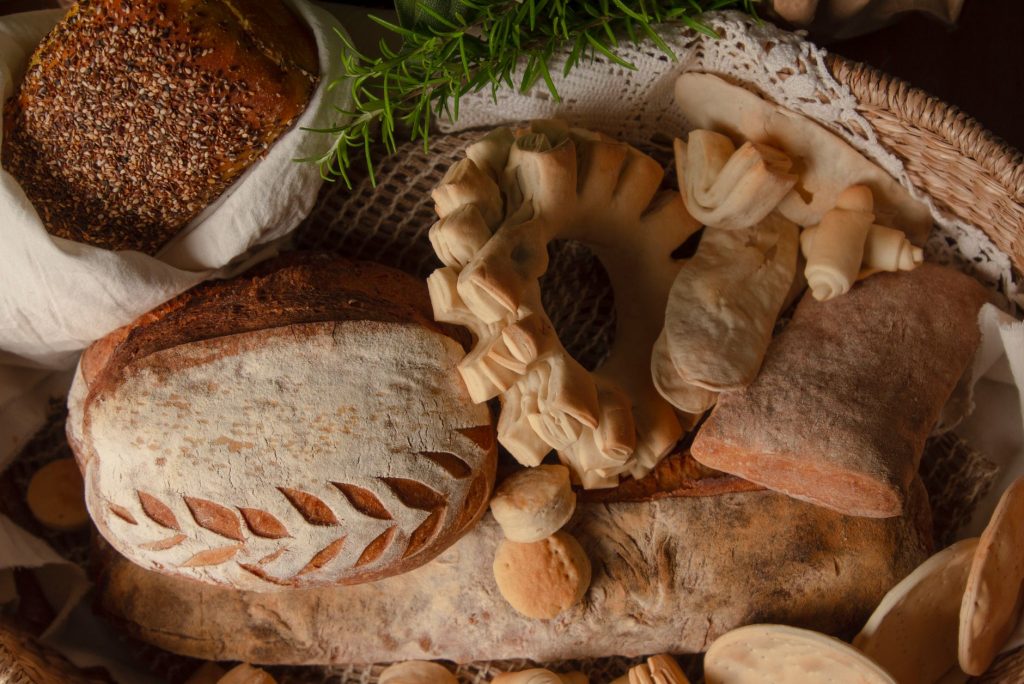
Why it matters. It’s a vivid example of how South Korea’s smaller cities are using food tourism to compete with Seoul and revive local economies, a trend reshaping domestic travel.
Background. ‘Ppangji-sullye,’ or ‘bread pilgrimage,’ is a popular Korean term for trips built around visiting famous bakeries, reflecting a decade-long boom in artisan baking. Cheonan’s claim to fame is the walnut cake (hodu-gwaja), a bite-sized walnut-shaped pastry filled with sweet red-bean paste that is sold as a regional specialty nationwide, especially at highway rest stops. Such festivals are often co-run by local governments and trade associations to market regional farm products.
What to watch next. Watch whether the new mobile stamp tour and taxi discounts widen turnout enough for Cheonan to scale the festival into a larger annual tourism draw.
A City Where the Crowds Come for Bread
More than 5,000 people from across South Korea have signed up for the 2026 Bread Pilgrimage ‘Bbang-Bbang Day’, a two-day baking festival running June 13–14 across the city of Cheonan, where 70 local bakeries will showcase their signature loaves and pastries. Organized by the Cheonan branch of the Korea Bakers Association and backed by the city government, the event is designed to promote Cheonan’s bakery culture and give a lift to the local economy.
Cheonan, a mid-sized city in South Chungcheong Province about an hour south of Seoul, has built a national reputation as a destination for ppangji-sullye — literally a ‘bread pilgrimage,’ a Korean term for foodie road trips planned entirely around visiting noteworthy bakeries. The festival leans directly into that culture, with its slogan ‘Follow the bread to Cheonan.’
What Visitors Can Expect
During the festival, the 70 participating neighborhood bakeries will offer 10% off their freshly baked goods. Many will also hand out local products to visitors, including milk produced in Cheonan and locally grown Heungtaryeong rice, part of a broader push to spotlight bakeries that use regional farm produce.
The headline activity is the official Bread Pilgrimage Corps. Demand was striking: 1,813 teams — 5,055 people in total — applied for the limited spots, a roughly four-to-one competition rate, with 450 teams ultimately selected. Each chosen team must visit two designated neighborhood bakeries plus one nearby attraction — chosen from Cheonan’s ‘Eight Scenic Views,’ a traditional market, the Yuryang food-culture street, or a recommended local restaurant — and then post a review on social media. The mission effectively turns participants into volunteer promoters of the city’s bakeries and tourist sites.
Hands-on programs round out the weekend. A workshop for making walnut cakes — Cheonan’s most famous local sweet, a small walnut-shaped pastry filled with red-bean paste — and flowerpot cakes drew a 19-to-one application rate and will be held in the lobby of Cheonan City Hall on June 13. An ice-cream-making session run with Baekseok Culture University is open to walk-ins, and a play-and-craft booth aimed at families with children will also operate on site.
Opening the Festival to Everyone
For the first time this year, organizers have added a mobile stamp tour so that ordinary visitors who were not selected for the Pilgrimage Corps can still take part, collecting digital stamps as they move between bakeries. To make car-free travel easier, the festival is also offering taxi-fare discount coupons through a tie-up with the region’s ‘Happy Call Taxi’ service.
The event is hosted by the Cheonan branch of the Korea Bakers Association and sponsored by the city and Baekseok Culture University, a local college whose culinary programs are involved in several of the activities.
Why a Bread Festival?
South Korea has seen an explosion of interest in artisan bakeries over the past decade, and small regional cities increasingly use food tourism to draw weekend visitors away from Seoul. By tying free local milk and rice to its loaves, Cheonan is pitching its bakeries as a showcase for the surrounding region’s farm produce as much as a culinary attraction.